Behavior interventions ensure that students thrive academically and socially. While traditional methods have often relied on paper logs, spreadsheets, or disconnected systems, Minga modernizes this approach by integrating technology that allows educators to track, manage, and intervene in real-time. Whether it’s for early identification of behavioral issues, recognizing positive behavior, or implementing consequences, Minga offers an all-in-one solution.
Let’s dive into the importance of behavior interventions and how Minga supports schools in fostering a positive, accountable school culture.
Table of Contents
What are Behavior Interventions in School
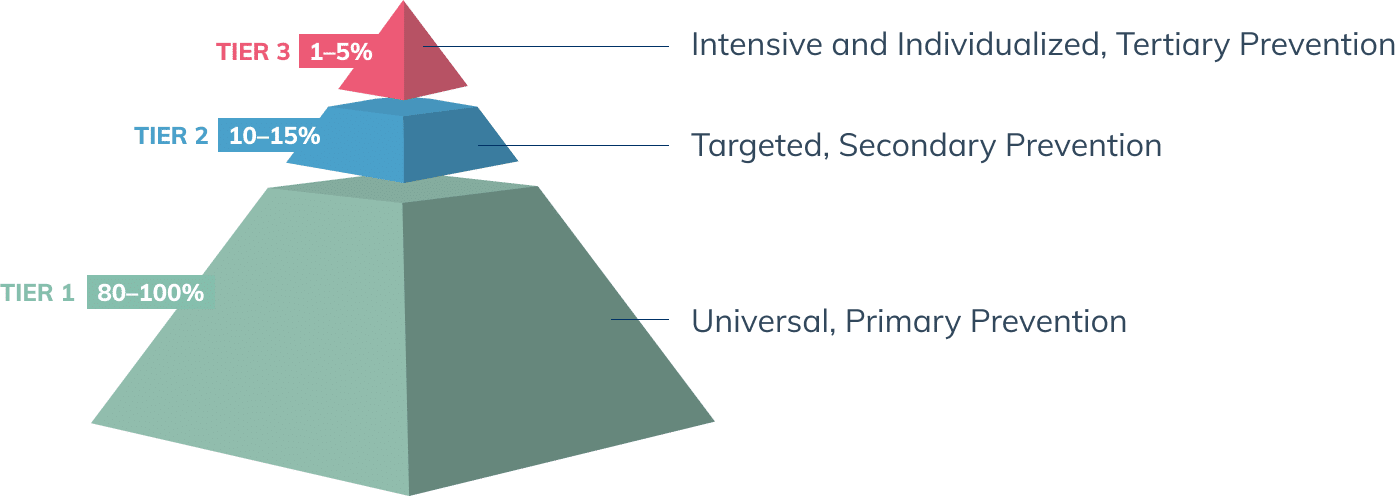
Types of Behavior Interventions in Schools (Tiers 1-3)
Behavior Intervention Plans (BIPs)
The 4 R’s of Behavior Intervention
Behavior Monitoring and Data Collection
Empowering Educators with Real-Time Insights
Making Behavior Interventions More Effective with Minga
What Are Behavior Interventions?
Behavior interventions in schools refer to a set of strategies and practices aimed at addressing and modifying students’ behavior to promote a positive and conducive learning environment. These interventions are designed to help students learn and practice appropriate behaviors while preventing or reducing disruptive actions.
Behavior interventions serve two primary functions:
- Prevention: Intervening before minor behavioral issues escalate into more significant problems.
- Correction: Addressing issues that have already arisen, aiming to teach students better ways to manage their emotions, actions, and interactions.
Types of Behavior Interventions in Schools:
Tier 1 Behavior Interventions (Universal):
Tier 1 interventions are designed for all students, focusing on creating a positive, structured, and supportive school environment. The goal at this level is to set clear expectations for behavior and address potential issues before they escalate. These strategies are implemented school-wide to foster an inclusive, respectful, and productive atmosphere for every student.
Regular communication of these expectations across all classrooms and settings helps students understand not only what is expected of them, but also why these behaviors matter. This consistency ensures that students feel safe and secure, knowing what to expect in all areas of school life.
Positive Behavioral Supports are essential at this level. Many schools use PBIS (Positive Behavioral Interventions and Supports) to acknowledge and reward students who exhibit positive behaviors. By offering reinforcement—whether through praise, points, or privileges—students are motivated to meet school-wide expectations.
Additionally, proactive classroom management strategies are emphasized in Tier 1. Teachers utilize clear routines, visual reminders, and engaging activities to maintain student focus and minimize disruptions. These strategies create an environment where students are motivated to engage in positive behaviors.
See it in Action with Minga →

We’re holding everyone accountable through this system that we now have, there is no room for interpretation. It’s made my life as a Dean of Students 100% easier.
Darica Benton
Dean of Students, KIPP East End High School, TX
Tier 2 Behavior Interventions (Targeted):
At Tier 2, interventions become more personalized and are aimed at students who require additional support beyond universal strategies. These interventions typically include small-group settings, more frequent check-ins, and targeted strategies that address specific behavioral concerns.
- Check-in/Check-out (CICO) is one such strategy often used at this level. In this approach, students check in with a staff member at the beginning of the day, set behavior goals, and check out at the end of the day to review progress. This helps reinforce positive behaviors and provides more frequent opportunities for feedback.
- Behavior Contracts are another effective tool at Tier 2. These written agreements between the student, teacher, and sometimes parents outline specific behavior goals, expectations, and consequences. By clearly defining what is expected and how success will be measured, behavior contracts help hold students accountable and give them a structured way to monitor their progress.
See it in Action with Minga →

Minga has been an incredible tool in helping us navigate the unique challenges of middle school. It provides the structure students need while still allowing for flexibility in how we deliver support. It’s made a huge difference in how we approach interventions.
Taylor Bowers
Academic Coach
Greer Lingle Middle School
Tier 3 Behavior Interventions (Intensive):
At Tier 3, interventions are highly personalized, designed for students who have not responded to Tier 1 and Tier 2 supports. This level is focused on providing one-on-one support and highly specialized strategies for students facing significant or chronic behavioral challenges. Behavior Intervention Plans (BIPs) are often developed at this level, providing a structured, individualized approach to behavior management.
Students at Tier 3 may require more frequent progress monitoring and adjustments to their plan, ensuring that interventions are continuously refined based on data and feedback. These interventions may include a combination of individual counseling, behavioral therapy, modified schedules, and regular check-ins to ensure that the student receives consistent support.
Behavior Intervention Plans (BIPs)
As schools implement behavior interventions across different tiers, Behavior Intervention Plans (BIPs) play a crucial role, particularly for students who need more individualized support. A BIP is a critical tool for addressing individual students’ behavioral challenges. Developed after conducting a Functional Behavior Assessment (FBA), a BIP is tailored to the specific needs of the student and outlines a structured approach to modifying their behavior. It includes proactive strategies for preventing problem behaviors, teaching alternative behaviors, and defining specific consequences for both positive and negative actions.
The components of a Behavior Intervention Plan (BIP) typically include:
Identifying the Problem Behavior
This step clearly defines the behavior that needs to be changed. It’s crucial to pinpoint specific actions that are disruptive or concerning, whether it’s physical aggression, verbal outbursts, or lack of focus.
Functional Behavior Assessment (FBA)
Conducting an FBA helps identify the triggers (what leads to the behavior) and the function (the reason the behavior occurs). This data allows educators to understand the root cause of the behavior, whether it’s seeking attention, avoiding tasks, or responding to environmental stressors.
Setting Measurable Goals
The BIP outlines specific, measurable goals for behavior improvement. This provides clear benchmarks to track the student’s progress over time and determine whether the interventions are successful.
Intervention Strategies
A key component of a BIP is a set of interventions that reduce problem behaviors and teach appropriate replacements. That can include positive reinforcement, check-in/check-out, restorative reflection, and consistent consequences—often supported by scheduled intervention time and clear documentation so teams can track follow-through and spot patterns early.
Monitoring and Adjusting:
The BIP includes a plan for ongoing monitoring of the student’s behavior and the effectiveness of the interventions. Regular progress reviews help determine whether the plan is working or if adjustments are needed.
By providing a structured, personalized approach, a BIP helps students understand the expectations for their behavior, provides clear consequences for actions, and supports the development of better strategies for managing their behavior.
The 4 R’s of Behavior Intervention
When implementing behavior interventions, the 4 R’s—Reduce, Replace, Reinforce, and Respond—are key principles that help ensure behavior change is both sustainable and effective. These strategies focus on helping students learn appropriate behavior and making adjustments in a supportive and consistent manner.
1. Reduce: The first step is to minimize the occurrence of undesirable behaviors. This involves identifying the triggers and environmental factors that lead to disruptions and taking steps to reduce or eliminate them. The goal is to decrease the likelihood of the behavior reoccurring by addressing the conditions that encourage it.
2. Replace: Next, replace the undesirable behavior with a more appropriate alternative. This step involves teaching students new skills or strategies—such as self-regulation techniques, social skills, or conflict resolution—that enable them to respond more positively in similar situations.
3. Reinforce: Reinforce the positive behavior by offering rewards or feedback. The more frequently the desired behavior is reinforced, the more likely it is that the student will continue exhibiting it. Positive reinforcement is essential in building good habits and ensuring long-term success.
4. Respond: Finally, respond appropriately to the behavior, both when it is positive and when it requires correction. For positive behavior, provide immediate reinforcement. When undesirable behavior occurs, respond calmly and consistently with clear consequences, while maintaining respect and focusing on the opportunity for learning.
Behavior Monitoring and Data Collection:
For behavior interventions to be truly effective, it’s essential for educators to have the right tools to monitor student progress. School counselors and other support staff play a vital role in this process, using data to identify patterns, assess the impact of interventions, and collaborate with teachers and families to make informed decisions that foster student growth.
Structured Observation:
These systems help educators systematically record when, where, and why certain behaviors occur. Through tools like observation logs and incident reports, educators can track not just the behavior itself but also the environmental factors that may be influencing it. This approach allows for a deeper understanding of the context behind student behavior, leading to more tailored interventions.
Behavior Rating Scales:
These standardized tools provide measurable, consistent data on the frequency and severity of behaviors. By assessing student behavior over time, educators can monitor changes and compare progress against specific goals. This data helps identify whether interventions are having the desired effect, and allows for necessary adjustments.
Digital Behavior Management Platforms:
With the rise of technology, many schools now use digital platforms that centralize behavior data entry and monitoring. These systems allow multiple educators to input and update behavioral information in real-time, providing immediate insights into student behavior. This collaborative approach ensures that everyone involved in supporting the student is on the same page, and it makes it easier to track progress, share observations, and adjust interventions as needed.
See it in Action with Minga →

Empowering Educators with Real-Time Insights
This is where modern tools like Minga can change the game. With a real-time platform, educators can log behavior incidents as they happen, note which interventions were used, and track how students respond—without waiting for a meeting or digging through disconnected notes. That immediate access makes it easier to spot patterns (like behaviors tied to certain times of day, locations, or triggers) and adjust supports sooner, so students get what they need when they need it.
Minga offers several features that streamline behavior management, ensuring interventions are timely, consistent, and data-driven:
Behavior Tracking
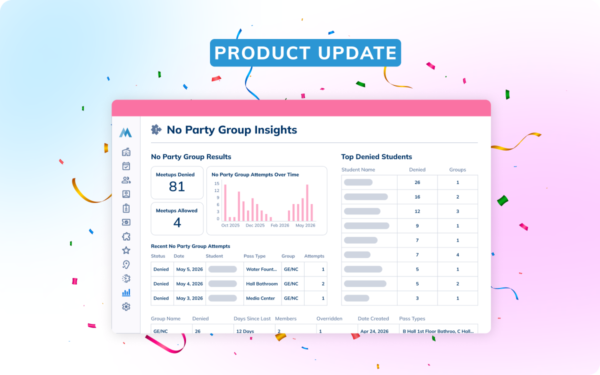
Log positive or negative behaviors in seconds so teachers and administrators can capture and organize data effortlessly in real time. With features like behavior reports, schools can quickly identify trends, recognize positive behaviors, and intervene before minor issues escalate.

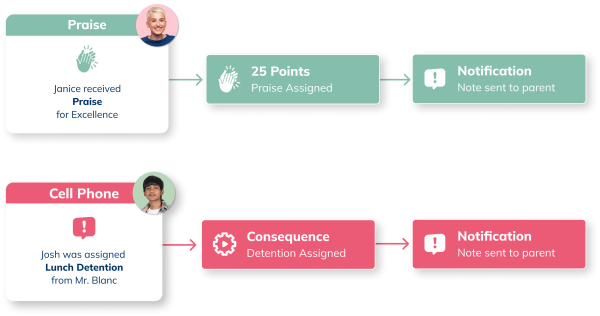
Automated Interventions
Set customizable consequences, escalation steps, and notifications that trigger automatically when students don’t meet expectations. From referrals to detentions, Minga helps ensure follow-through is consistent—and patterns don’t slip through the cracks.

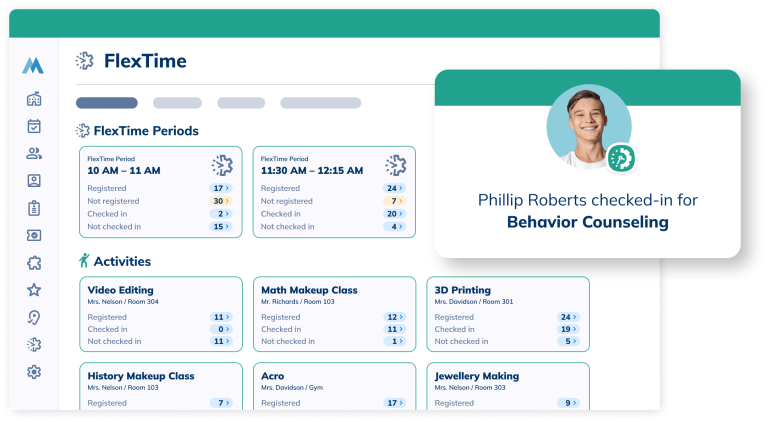
Flexible Scheduling for Tier 2/3
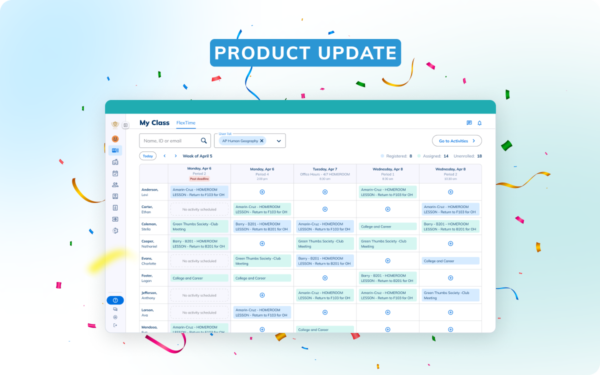
When behavior supports need dedicated time, like check-in/check-out, social skills groups, restorative conversations, or Tier 2/Tier 3 sessions, Minga’s FlexTime helps schools schedule, assign, and manage those intervention blocks without spreadsheet chaos. Students get to the right support at the right time, staff have clear visibility into who they’re responsible for, and teams can track attendance and follow-through so interventions actually happen (not just get planned).
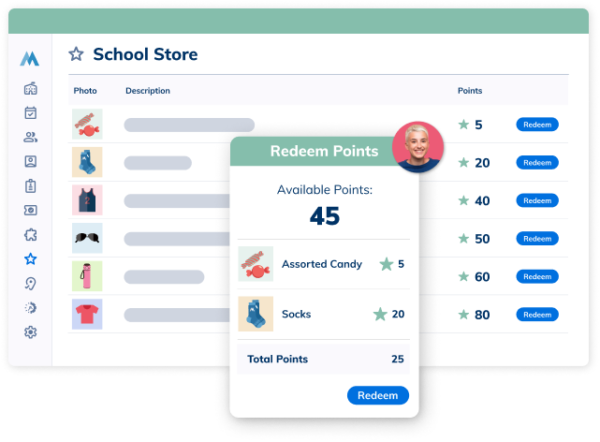
Behavioral Rewards System
Reinforce the behaviors you want more of with points students can earn and redeem for prizes or privileges. This PBIS-aligned approach boosts engagement and keeps recognition consistent across staff.
Customizable Reporting
Generate reports that help teams evaluate intervention effectiveness over time. Track individual progress and schoolwide trends to see what’s working, where support is needed, and which behaviors require attention.

Real-Time Feedback for Students and Parents
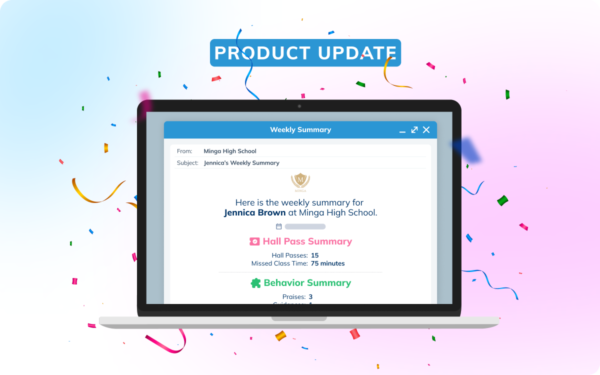
Share behavior updates immediately—positive or corrective—so students and families aren’t hearing about issues days later. This transparency strengthens the home-school connection and supports faster course-correction.
Making Behavior Interventions More Effective with Minga
When behavior data, follow-through, and recognition live in the same system, interventions stop feeling like “extra work” and start working like a real support structure. Here’s what that unlocks:
- Consistency: A centralized platform keeps expectations and follow-through aligned across classrooms and staff—reducing mixed messages for students and confusion for adults.
- Efficiency: Automations and streamlined logging reduce the admin burden (and the spreadsheet fatigue), freeing staff to spend more time on students—not paperwork.
- Data-driven decisions: Real-time visibility helps teams adjust supports faster, strengthen Tier 1 foundations, and make Tier 2/3 moves based on patterns—not guesswork.
- Parental involvement: Clear, timely communication helps families support the same goals at home and builds trust through transparency.
Bottom line: Behavior interventions are vital to creating a positive school culture—but they fall apart when tracking and follow-through are fragmented.
Minga helps schools keep interventions organized, consistent, and measurable, while also reinforcing positive behavior in real time. Ready to connect the dots between expectations, interventions, and outcomes? Book a demo today.

Ready to Strengthen Student Engagement Across Your School?
Book a demo today and start building a more connected school community.