PBIS rewards are a powerful tool for reinforcing positive behavior, creating a ripple effect across classrooms and hallways. Students notice what gets celebrated, and when rewards are clear, consistent, and meaningful, they turn behavior into lasting habits. But let’s be honest, no one wants a reward system that fails to inspire students, lacks impact, or becomes a burden to maintain.
That’s where this guide comes in. We’ve curated grade-level strategies, broken down reward types, and compiled a full menu of options to keep your system fresh, engaging, and easy to implement. Whether you’re looking to energize your classroom or streamline your reward process, we’ve got you covered.
Jump to any section below:
Tangible, Intangible, and Free Rewards for Students
Thinking in the following three categories can help you build a reward mix that stays fun without draining your budget or your time
Tangible rewards: Physical items students can keep or use, such as merch, gift cards, small prizes, or school supplies. These are concrete and exciting, especially for younger students.
Intangible rewards: Recognition, privileges, leadership opportunities, and social status. These become more meaningful as students grow and seek greater independence and visibility.
Free rewards: No-cost perks like extra recess, choice time, homework passes, or front-of-line privileges. These are easy to implement and have a high impact with minimal effort.
Tailoring Student Rewards by Grade Level
A reward that lights up a second grader might fall flat with a tenth grader. That’s normal. As students grow, what motivates them changes, too. Keeping PBIS rewards strong across different grades and ages means matching incentives to where students are developmentally — what feels fun, meaningful, and worth working toward at each stage.
Elementary School PBIS Incentives
Elementary students are motivated by rewards that feel quick, concrete, and fun. The best incentives at this age are easy to earn, easy to understand, and tied closely to the behavior you want to see again. Think small wins, lots of praise, and rewards that feel like a bright spot in their day.
Effective PBIS Incentives in Elementary Schools Focus On:
- Classroom privileges (class helper for the day, line leaders)
- Physical activity and playtime (extra recess, choosing game to play)
- Creative rewards (art time with special materials, choose the read-along book)
- Positive social recognition (student of the week shoutout, praise on the compliment wall)
- Tangible rewards (stickers, bookmarks, eraser tips, snacks)
Middle School PBIS Incentives
Middle schoolers are figuring out who they are, where they fit, and how they want to be seen. Rewards land best when they feel social, a bit more grown up, and tied to choice or status. If a reward gives them independence or a positive moment with peers, you’re in a good spot. However, don’t count out the simple stuff — even low-cost incentives like stickers or snacks can spark healthy competition at this age, because the real pull is the win: earning something, tracking progress, and seeing themselves climb a little higher than their friends.
Effective PBIS Incentives in Middle Schools Focus On:
- Social and peer-related rewards (pick-your-partner, sit with a friend)
- Increased freedom and autonomy (wear a hat in class, listen to music during work)
- Recognition and achievement (shoutouts on social or the PA, exclusive point leaderboard perks)
- Tangible rewards (snacks, stickers, phone cases, pop-sockets)
- Experiential rewards (skip the lunch line, tell a joke over the PA)
High School PBIS Incentives
High school students respond to incentives that respect their maturity and growing independence. Rewards are most effective when they feel meaningful, practical, and tied to real privileges or recognition. While simple rewards still have their place (keep reading), it’s essential to approach high school students with a mindset that aligns with their goals and aspirations.
Effective PBIS Incentives in High Schools Focus On:
- Exclusive academic privileges (exam/quiz exemptions, advanced class scheduling)
- Privileges that enhance independence (open-campus lunch, flexible deadlines)
- Social status rewards (VIP lounge passes, shoutouts, student leadership)
- Tangible rewards (school merch, gift cards, or tech accessories)
- Experiential rewards (school event tickets, behind-the-scenes opportunities)
Want more details on high school PBIS rewards? Read our full guide on PBIS in High Schools.
Do Students Take Rewards Seriously?
This question comes up a lot, and it’s fair. Older students can look tough to impress. Real-life stories show the opposite when rewards are set up right. At Mustang High in Oklahoma, staff weren’t sure high schoolers would care about points or a school store. They tried it anyway, and students surprised everyone.

“I thought that’s never going to work with high school kids. They are not going to care. They’re going to laugh at us.”
Dr. Kathy Knowles, Head Principal
But the reaction flipped fast. Angelica Hull quickly noticed,

“Kids were saying, that’s cool, I got a praise!! The more they got, the more we heard about it.”
Angelica Hull, Admin Assistant
Even “younger” rewards like stickers and fidget spinners surprisingly became top picks.
“Even our principal said, these are high schoolers—they’re not going to go for stickers.”
Angelica Hull, Admin Assistant
When Mustang High opened its first store, only nine students were redeeming points. The second time around? Eighty-three students cashed in more than 500 points.
Takeaway: While older students may be drawn to more mature rewards that align with their independence, simpler rewards can still play an important role. They can spark healthy competition, motivate students to track their progress, and encourage positive behaviors. For high schoolers, rewards like exam exemptions or exclusive privileges often resonate more, but smaller incentives, like recognition or tangible items, keep the excitement and engagement flowing.

PBIS Reward Examples:
You don’t need 300 rewards to make PBIS incentives work — you just need the right mix. Here’s a menu of high-impact ideas, grouped by type, so you can pick what fits your students, your vibe, and your budget without overthinking it.
1. Creative or Fun Experiences
These bring energy into the building.
- Golf cart ride around campus — the closest thing to a school-day limo.
- Make an announcement over the intercom — five seconds of fame.
- Tell a clean joke over the intercom — school-appropriate comedy tour.
- Class movie tickets, purchasable with points — popcorn included.
- Video game tournament entry with points — pay to play, bragging rights to win.
- Wear a costume or pajamas to school — comfort couture day.
- Dance party or karaoke session — low-stakes chaos in the best way.
- Magic tricks, jokes, or performances — let those hidden talents out.
- Choose a song to learn in band — yes, Swifties, this is your moment.
2. Special Privileges and Experiences
These rewards feel big since they change a student’s day in a noticeable way.
- Lunch with the teacher or principal — a little mentorship with a side of fries.
- Skip the lunch line — soundtrack optional, swagger guaranteed.
- Sit with a friend — because the right seat can make a whole day better.
- 15 minutes of free time — a mini-vacation in the middle of class.
- Extra recess or outdoor time — fresh air is a top-tier reward.
- VIP seating in class or at school events — front-row energy.
- Early dismissal for lunch — beat the rush like a pro.
- Teacher’s chair for the day — big boss seating privileges.
- Front row parking for a week — a little extra time for breakfast!
- Choose your own partner — Group activity? More like a friend activity!
3. Social and Recognition-Based Rewards
Recognition is a reward all on its own.
- Public shoutout on the school PA — instant main-character moment.
- Social media shoutout or newsletter feature — spotlight where it counts.
- Shoutouts in assemblies or class — quick wins that students remember.
- Student of the Month for most points — bragging rights earned, not given.
4. Academic and Productivity-Based Rewards
Great for students who love a practical win.
- Homework pass or “freebie” grade boost — the academic cheat code they earned.
- Skip or shrink an assignment — less grind, same pride.
- Flexible deadlines — a little breathing room that still keeps them on track
- Extra credit opportunity — a bonus level for students who want it.
- Priority scheduling next year — first pick feels like power.
- Skip a quiz or exam for exemplary performance — the ultimate “you crushed it.”
- Clear a tardy — wipe the slate clean and start fresh.
- Life-line on tests/exams — Eliminate two options from multiple choice. It’s not always “c.”
- Call-a-friend (teacher) on a test/exam — a one-question lifeline when they hit a wall.
5. Tangible Items and Goodies
Simple, fun, and easy to rotate through.
- School merch (hoodies, water bottles) — wearable bragging rights.
- Gift cards to local spots, restaurants, or online games — student-approved currency.
- Tech accessories (chargers, cases, pop sockets) — life upgrades they actually use.
- Stickers, supplies, special pens — tiny prizes, huge smiles.
- Fidget, focus & stress tools — calm hands, calm brains.
- Trading cards — yes, still a big deal.
6. Food and Treat-Based Rewards
Food rewards are popular. Keep them aligned with school guidelines and use them sparingly so they stay special.
- Once-a-month pizza lunch ticket — points-only VIP slice club.
- Snack time (chips, popcorn, soda) — extra hype for trending treats like Prime or Feastibles.
- Sweet treat — “ice cream after a game-winner” kind of moment.
7. Helping Roles and Mentorship Opportunities
Students love feeling trusted.
- Teacher helper for the day — small jobs, huge pride.
- Classroom assistant — official right-hand status.
- Mentor a younger student — leadership that actually matters.
- Organize or lead a class activity — put them in the driver’s seat.
8. Access to Special Activities or Events
These feel exclusive in the best way.
- Admission to school events — points turn into Friday-night plans.
- Special field trips — the “not everyone gets this” kind.
- VIP event perks (front row, backstage, skip-the-line) — access is everything.
- Open campus lunch — a grown-up perk that says “we trust you.”
9. Incentives for Leadership and Responsibility
Perfect for students who want to level up.
- Lead a class discussion or activity — captain for the day.
- Tutor a younger student or help on a project — flex their strengths.
- Student ambassador for a day — school rep status.
- Lead a club or school event role — real leadership, real impact.
10. Digital or Virtual Rewards
Great for tech-forward schools and students.
- Custom avatars or digital backgrounds — personalization feels powerful.
- Extra computer or gaming time — screen time, but earned.
- Digital stickers with special permissions — fun to earn, even better to use.
- Virtual shout-outs on the school site or socials — recognition that travels.


PBIS Incentives That Work for Every Student
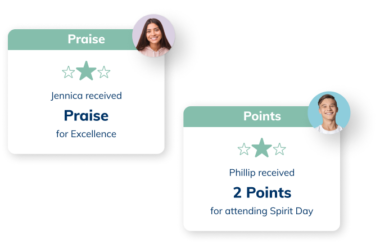
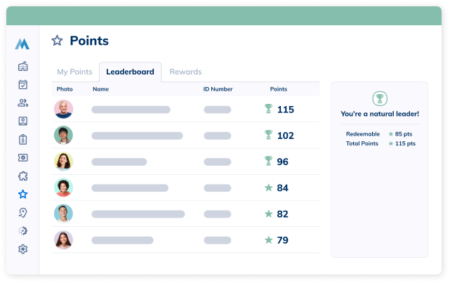
The best PBIS reward systems aren’t huge or complicated. They’re thoughtful, consistent, and focused on what students care about at each age. When rewards are clear, fair, and worth working toward, students are motivated to repeat positive behavior on their own. Maintain a mix of free perks, meaningful recognition, and tangible wins. Give students real choice and let their preferences guide what to keep or refresh.
If you want an easier way to run all of this without extra spreadsheets or guesswork, book a quick demo of Minga’s PBIS Rewards and Behavior Tracking. We’ll show you how schools keep rewards simple for staff, exciting for students, and tied to the behaviors they want more of.