In classrooms across the country, teachers are juggling a lot—and student behavior is the sneaky “one more thing” that can turn a solid lesson into survival mode fast. You spend hours polishing curriculum, tweaking lessons, and chasing academic goals…then a handful of off-task moments (or one chaotic class period) can derail everything and leave everyone feeling drained. And the wild part? Student behavior is still treated like the side quest, even though it’s often the main storyline behind teacher burnout and lower learning outcomes.
The numbers back up what teachers already feel in their bones: one study found 26% of teachers said student inattention or lack of focus had a severe negative impact on staff morale—and the same 26% said it seriously hurt student learning. That’s not “a bad day,” that’s a pattern with consequences. If we keep brushing student behavior off as “just classroom management,” we’re basically expecting learning to happen in a room where the signal keeps getting interrupted.
Key Stats to Support the Case for Prioritizing Student Behavior
- 26% of teachers reported that a lack of focus or inattention from students negatively impacted both teacher morale and learning.
- 22% said that disruptive behavior in the classroom (e.g., calling out, talking to others during instruction, or leaving the classroom without permission) severely impacted morale and learning outcomes.
- 22% of teachers noted that students being academically unprepared for school, such as not completing homework or arriving without necessary supplies, affected both morale and learning.
- 16% reported that use of cell phones and devices during class caused significant disruptions. A system to track and address this behavior without putting the teacher in a difficult position can help mitigate this issue, fostering a positive classroom environment.
- 18% mentioned student tardiness as a major challenge affecting both learning and teacher morale. By addressing tardiness through clear policies and proactive management, teachers can ensure that students are on time, engaged, and ready to learn.
- 18% of educators said that students being physically unprepared for school (e.g., lack of sleep, not eating before school) also contributed to disruptions, further impacting overall classroom dynamics.
Here’s the hope (and the hook): when we treat student behavior like a core part of instruction—not an add-on—we can flip the whole vibe. Less chaos. More connection. More teaching that actually lands.
The Impact of Classroom Behavior on Teacher Morale
The stress of managing disruptive behavior is one of the leading causes of burnout among teachers. According to the same study, 22% of teachers indicated that students being disruptive in the classroom, such as calling out, talking to others during instruction, or leaving the classroom without permission, had a severe negative impact on their morale. When students’ behavior goes unaddressed, teachers are left feeling frustrated, drained, and unsupported. This, in turn, can lead to decreased job satisfaction and, ultimately, higher turnover rates in an already high-stress profession.
However, by recognizing that managing behavior is part of effective teaching, we can shift the focus toward creating environments where students learn appropriate behaviors alongside academic content. This allows teachers to feel more supported and in control, reducing stress and improving their overall morale. When teachers have the tools and support they need to manage behavior—whether it’s monitoring student movement in the hallways or ensuring that students only leave the classroom with permission—they can spend more time engaging with students and fostering a positive classroom culture.
Student Behavior Management and Student Learning: A Vital Connection
Classroom behavior doesn’t just affect teachers—it also has a direct impact on student learning. The study found that 26% of educators reported that a lack of focus or inattention from students had a severe negative impact on learning. Inattention, disengagement, and disruptions make it harder for all students to focus and absorb the material, resulting in missed learning opportunities. When students are academically unprepared or distracted, even the most well-designed lesson plans can fall short.
Tardiness is another critical issue that affects both teacher morale and student learning. 18% of educators mentioned that student tardiness was a major challenge. Late arrivals disrupt not only the student’s own learning but also the flow of the entire class. The lost time at the start of each lesson can cause students to fall behind, while also forcing teachers to divert attention away from the lesson to catch tardy students up. Over time, the cumulative impact of tardiness can hinder overall classroom performance and morale. By addressing tardiness systematically—whether through consistent hall monitoring or clear and automated tardy processes—schools can reduce disruptions and ensure students are present and ready to learn from the moment class begins.
In addition to tardiness, cell phone use in the classroom has become a growing issue for teachers. The widespread attachment to devices can be a serious distraction to students, affecting their focus and overall behavior. Teachers often find themselves in difficult situations when they need to address inappropriate phone use, feeling like they are unfairly positioning themselves as the “bad guy” when enforcing rules. This dynamic can contribute to a negative classroom environment, especially when students are resistant or defensive about having their phone use corrected.
Student Behavior, Without the Teacher as the “Bad Cop”
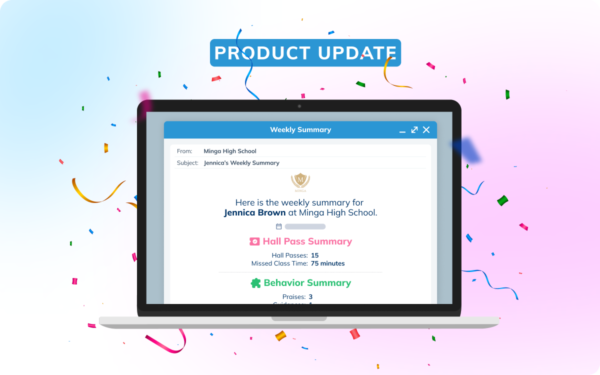
What if you could tackle student behavior issues—phones, tardiness, hallway roaming—without putting teachers in the awkward position of playing hall monitor, tech police, and villain of the week?
Picture a system that handles the heavy lifting: a teacher logs an incident in seconds, the platform tracks patterns, gives students clear warnings, and automatically loops in administration once the consequence level hits the school’s threshold. No long email threads. No “Can you come deal with this?” calls mid-lesson. No teacher stuck in a power struggle while everyone else watches like it’s a season finale.
Here’s what changes when the process is consistent and automated:
- Teachers stay focused on teaching, not managing escalating back-and-forths.
- Administrators get timely, objective visibility when incidents stack up or cross the line.
- Students get fair warnings and predictable outcomes, so it feels like policy—not personal.
- Small issues get handled early, before they turn into bigger blowups.
Over time, that kind of structure can cool off the temperature in the room. When student behavior is managed proactively—and teachers have an easy way to report things like tardiness and phone use—the classroom dynamic shifts. Students learn the norms without feeling singled out, and teachers keep their authority without having to “go toe-to-toe” every day.
And that’s the goal, right? More students present, engaged, and ready to learn—plus fewer teachers going home feeling like they spent the day refereeing instead of teaching.
The Ripple Effect of Prioritizing Student Behavior
Imagine a classroom where students understand the expectations for behavior, respect those boundaries, and engage fully in the lesson. Not only does the learning environment improve, but it also impacts other areas of the school day. As teachers regain control over the classroom, they can focus on high-quality instruction, leading to better learning outcomes. Students, in turn, feel more motivated and confident because they can focus on the content rather than managing distractions.
Additionally, a school-wide focus on behavior management can further support positive outcomes. By addressing behavior not just within the classroom, but across the school environment, including hallways and tardies, students learn how to interact appropriately in all settings. This creates a consistent, school-wide culture of accountability that benefits everyone—from students who now understand their boundaries to teachers who feel supported and equipped to manage a wide variety of situations.
The Power of Data-Driven Practices
What does this look like in practice? In schools like Greer Lingle Middle School, Mt. Whitney High School, and Midland Legacy High School, evidence-based behavior management strategies have driven remarkable improvements in both behavior and learning outcomes.
At Greer Lingle Middle School, the school implemented MTSS (Multi-Tiered System of Supports) interventions focused on both academic and behavioral improvements. By integrating behavior management strategies within their MTSS framework, the school saw a significant decrease in disciplinary infractions and improved overall student behavior. This proactive approach helped teachers track real-time behavior data and provide targeted interventions, resulting in a more engaged and positive school culture. The success of these interventions highlighted the impact of tailored support systems in improving student behavior across all levels.
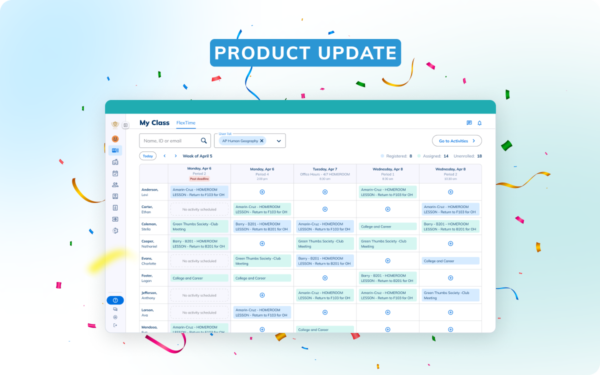
Mt. Whitney High School focused on transforming hallway and classroom management with Minga’s new My Class interface, utilizing real-time behavior tracking to monitor student movement. This solution helped reduce tardiness and unauthorized hallway behavior, which are common disruptions in high schools. Their ability to track and manage these behaviors allowed the school to reduce tardy incidents by 15% within the first semester. Teachers and administrators were able to address behavior issues quickly and efficiently, reducing overall classroom disruptions and ensuring a more conducive learning environment. The integration of hallway management tools not only improved punctuality but also helped reduce hallway and bathroom meet-ups, contributing to more classroom time.
Midland Legacy High School achieved district-wide adoption of behavior management practices through the use of Minga’s data-driven reports, helping them track and report student behavior in real time. By using this data to inform their interventions, they were able to reduce student tardiness by 10% and disruptions by 12% over the course of the school year. The data collected allowed teachers and administrators to make informed, timely decisions about interventions, ensuring that students received the support they needed. The adoption of these practices across the district led to improved teacher morale, as educators felt more supported and equipped to handle behavioral issues, creating a more positive environment for both students and staff.
These case studies highlight the power of real-time data and proactive behavior management strategies. Whether it’s tracking tardiness, managing classroom disruptions, or improving hallway behavior, the use of data-driven insights and continuous feedback loops ensures that teachers have the tools they need to address behavior issues promptly. This approach leads to improved student behavior, better teacher satisfaction, and more effective learning outcomes.
Moving Beyond Discipline: Student Behavior as Essential Learning
At the heart of this shift is the recognition that behavior isn’t just a “discipline issue”—it’s a learning issue. Just as students are taught the fundamentals of math, reading, and science, they must also be taught the fundamentals of good behavior. When we integrate behavior management into the curriculum, we provide students with the skills they need to succeed—not just in school, but in life.
When we use strategies such as flex periods or academic interventions, we help students who need extra support stay on track academically while also addressing behavioral challenges that may interfere with learning. This dual approach ensures that students aren’t just managing their behavior—they’re also improving academically and socially.
By prioritizing behavior management as an essential component of the learning process, we can transform classrooms into spaces where both students and teachers thrive. With the right support and strategies, behavior becomes a tool for success rather than an obstacle.
Student Behavior Is the Foundation — Fix That, and Everything Else Gets Easier
Let’s call it what it is: student behavior isn’t a side issue. It’s the floor the whole learning experience stands on. When we treat behavior as a core part of education, we don’t just get calmer classrooms—we get stronger teaching, higher engagement, and better student outcomes. And when schools consistently address these behavioral issues, students spend more time learning and less time auditioning for “Most Creative Way to Disrupt the Classroom.”
This shift helps teachers, too. Less stress. Fewer daily battles. More time doing the job they actually trained for. That’s how you start building a school culture that people want to stay in—not one where everyone’s counting down to Friday by Tuesday.
The path forward is pretty clear:
- Proactive behavior supports that stop issues before they snowball
- A unified platform that spots patterns and don’t let students slip through the cracks
- Systems that recognize positives and respond to negatives consistently, so expectations feel fair and predictable
When student behavior support is woven into how a school operates, it stops being “that one teacher’s problem” and becomes part of the learning process itself. That’s where accountability and support finally work together. And honestly? It’s time. Treat behavior like essential learning, back teachers with real tools, and give every student a better shot at showing up, settling in, and succeeding.
Ready to Strengthen Student Engagement Across Your School?
Book a demo today and start building a more connected school community.