Managing student behavior isn’t just a classroom issue—it’s a school-wide challenge that shows up in every hallway, every passing period, and every corner of the building. Schools are managing far more than a few kids texting during class. You’re dealing with roaming students, bathroom meet-ups, vaping hotspots, skipped intervention blocks, long “hall pass” detours, and chronic tardiness that quietly points to deeper disengagement. These patterns stack up quickly, and when every teacher handles them differently, students notice. They don’t just “act out”—they learn exactly where the gaps are and move straight into them.
And that’s the real story: the system behind the behavior. Most schools are piecing things together with Google Sheets, paper passes, radio calls, and a mix of apps that don’t sync with one another. That fragmentation leads to missed early-warning signs, uneven expectations, and issues that slip by until they’re far tougher to address. It goes deeper than logistics—it unsettles school culture in ways many leaders don’t notice at first. When routines shift from room to room and expectations aren’t steady, students drift from how the school community is meant to operate because the guardrails for daily conduct aren’t clear. That instability wears on everyone. Teachers end up holding the load alone, and administrators spend more time putting out fires than strengthening the culture. A unified, school-wide system changes the entire equation by developing positive behavior strategies through steady routines, consistent follow-through, and strong support for staff and students. When everyone works from the same playbook, behavior stops feeling like chaos and becomes something schools can finally get in front of.
The hidden cost of today’s behavior challenges isn’t just disruption—it’s the operational strain on every part of the school.
1. Understanding the Scope of Student Behavior Problems
Behavior problems don’t just cause disruptions—they are time and energy leeches. Teachers are spending up to 25% of their day on discipline, and administrators can clock in at 40–50% of their time doing the same. All that time? It’s taken away from valuable teaching moments, contributing to burnout, a dip in instructional quality, and a drop in school safety.
Types of Behavioral Issues
Behavior problems have always been a part of school life. But what’s different now? The volume and impact. From student tardiness and vaping to violence and vandalism, these issues have grown more persistent. It’s no longer just a few students here and there. It’s become a larger challenge that eats up resources, leaving teachers and staff constantly reacting, rather than focusing on what matters.
Chronic Absenteeism, Tardies, and Hallway Gatherings
It’s not always obvious, but chronic absenteeism, frequent tardies, and hallway gatherings are behavior issues just as much as vaping or classroom disruptions. These aren’t random habits — they’re early signs that students are disengaging. Chronic absenteeism and repeated tardiness are strongly tied to lower academic achievement and a growing disconnect from school. When students start drifting — showing up late, missing classes, or skipping intervention or flex periods — it’s usually a sign that something deeper is happening.
Many schools also see a different version of this: students who show up to school but never make it to class. They roam the hallways, meet friends in the bathrooms, or move from corner to corner to avoid instruction. It’s not happening because they’re “getting away with it.” It’s happening because they’re falling through the cracks. Without consistent tracking and follow-through, these patterns turn into bigger behavior issues that affect learning school-wide.
This is where data becomes a game-changer. With a unified, consistent behavior platform, schools can spot early warning signs and step in before things escalate.
How Manging Student Behavior Pulls Everyone Off Track
When teachers and administrators spend huge portions of their day managing student behavior, everything else takes a back seat. The focus shifts away from teaching, building relationships, supporting students, and leading the school forward. This constant juggling leads to burnout, frustration, and a feeling that no one ever has enough time to do the work that actually matters.
For teachers, behavior issues interrupt instruction and drain their energy, leaving lessons less effective and students less engaged. For administrators, the stack of discipline referrals, hallway issues, and crisis follow-ups quickly becomes a full-time job. With so much time wrapped up in managing behavior, it becomes harder for schools to create the kind of calm, welcoming environment where students and staff can truly thrive.
Impact on School Culture
All this pressure can take a toll on school culture. A lack of consistent expectations and constant behavior problems can make students and staff feel like they’re in a chaotic environment. The result? Low morale, disengagement, and a lack of trust in the system. When behavior problems run wild, everything else falls behind.

2. Fragmented Tools, Fragmented Results: Why Students Are Falling Through the Cracks
You might be familiar with the jumble of disconnected tools used in many schools: Google Sheets for tracking hall passes, paper tardy slips, flexible schedules on a Google form, different apps for behavior, and analog vape detectors in the bathroom. These tools don’t play well together, leaving staff to wrestle with scattered, incomplete data. When this happens, early intervention becomes a missed opportunity, and reporting becomes a headache.
Fragmented Tools
It’s not just that schools are using separate tools—it’s that these tools don’t talk to each other. Staff are pulling data from multiple systems to manage student behavior, none of which integrates with one another. That’s a recipe for chaos, leaving data scattered everywhere. With so many pieces, it’s hard for anyone to get the full picture of what’s really going on.
Teacher Non-Usage of Tools
Here’s the real kicker: sometimes, teachers don’t even use these tools. If they’re not consistently engaged with the systems, how can they expect to track issues like tardiness, hallway misconduct, or phone violations? Without reliable tracking, behavior problems go unnoticed, and when they’re not addressed early, they can snowball into bigger challenges down the road.
Impact on School Efficiency
When tools don’t integrate, things get missed—whether it’s an early warning about a struggling student or an important piece of data that could help administrators make smarter decisions. Without integration, it’s hard to create a coherent, efficient approach to behavior management. The result is missed opportunities to help students and inefficiencies in how we track and report behavior.
3. Building a Unified System for Managing Student Behavior
Here’s the secret sauce to solving these problems: consistency. When every teacher is using the same system to managing student behavior—from hall passes to automated referrals—it creates clear boundaries and predictable expectations. This consistency reduces behavior problems, gives teachers more time to focus on teaching, and provides administrators with reliable data to make better decisions.
The “Wild West” of Classroom Management
Let’s be real—right now, managing behavior in many schools feels like the “wild west.” One teacher’s tracking tardiness on a Google Sheet, another uses paper hall passes, and some teachers aren’t tracking behavior at all. The result? Chaos. Students notice quickly that some teachers enforce the rules and others don’t, leading to confusion and more problems.
And on top of that—students texting in class, ignoring teachers, or chatting through lessons isn’t just disruptive, it wastes time that could be spent on learning. And it’s not just small stuff—when these behaviors are ignored or not tracked, they can snowball into bigger issues that derail an entire class.
It gets even trickier when some teachers are holding students accountable for their actions and others aren’t. Some teachers might issue consequences, but others might avoid it because they don’t want to be seen as “too strict” or “the bad guy.” This hesitation isn’t about being unwilling to help—it’s about feeling unsupported when it comes to dealing with challenging behavior. And without a system that makes it easy to track and escalate behavior issues, even the best-intentioned teachers may hesitate to address problems early.
That’s where a unified system comes in. It’s not just about tracking behavior—it’s about creating a culture where everyone feels supported, and students know exactly what’s expected of them.
Progressive Discipline and Escalation
A unified system offers a much-needed solution: progressive discipline. Instead of teachers shouldering the entire responsibility for behavior management, the system helps track incidents and escalates actions when necessary. For example, if a student repeatedly ignores class rules, the system can move them through the process—from warnings to referrals, detentions, and even interventions if needed. It’s like a built-in safety net for both teachers and students.
When behavior is tracked automatically, teachers don’t have to worry about remembering every detail or carrying the burden alone. The system flags persistent issues and lets everyone involved know when it’s time to take the next step. No more “slipping through the cracks.” Everyone’s on the same page, and students know that their behavior will be addressed—no matter which teacher they’re with.
For schools looking for classroom-level strategies to strengthen this kind of system, this guide from eSchool News offers practical ways to manage student behavior. It highlights how consistent expectations, positive reinforcement, and early interventions can help teachers handle disruptive behaviors before they escalate.
Simplifying Parent Communication
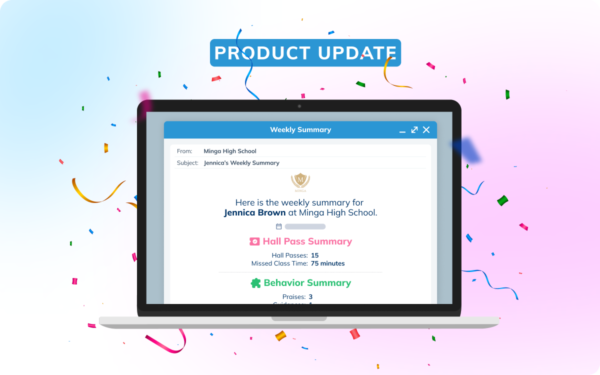
Now let’s talk about parent communication—because let’s face it, no one has time to send a hundred emails every week about student behavior. A unified system makes this easy, too. When a student’s behavior is logged, the system can automatically generate notifications and send them straight to parents, keeping them in the loop without extra work for teachers.
This way, parents get timely updates on behavior and can address concerns as they arise, not after things have gotten out of hand. With consistent communication, it’s easier for families to stay engaged and help reinforce the school’s expectations at home. It’s a win-win for everyone involved.
The Need for Fences & the Benefits of Consistency
What schools need is a unified system that helps create clear boundaries and expectations. Think of it like building a fence around student behavior—clear, predictable rules that everyone can follow. When students know exactly what’s expected of them, they can thrive within those boundaries. This leads to fewer problems, more engagement, and a safer environment for everyone.
When the system is consistent across the board, everyone wins. Teachers get a clear framework for managing behavior, which reduces their mental load and gives them more time to focus on teaching. Administrators have reliable data to make informed decisions and take proactive steps. And most importantly, students get the stability they need to succeed in a structured, safe environment.
Improved Student Accountability
A unified system doesn’t just track behavior; it empowers students to take ownership of their actions. When there are clear rules and consistent consequences, students know exactly what’s expected of them. The system creates a level playing field where consequences are applied fairly, and teachers are supported in enforcing them without fear of being the “bad guy.” When students understand that their actions have real consequences—whether it’s for tardiness, skipping interventions, or disruptive behavior—they start to take those rules seriously.
As the system catches issues early, students no longer slip through the cracks. They know that poor behavior won’t be ignored, and that accountability isn’t just up to the teachers or administrators—it’s up to them too. Over time, students begin to own the culture of the school. They’ll start to hold each other accountable, telling peers when their actions don’t align with the school’s expectations. With everyone on the same page, students help maintain a positive, respectful school environment, and the school culture becomes self-sustaining.
Managing Student Behavior with a Unified Approach
Imagine a school where managing behavior doesn’t feel like a full-time job — where teachers can focus on teaching, students know what’s expected of them, and everyone feels supported by the same system. That’s the power of a unified approach.
Because the truth is, behavior management isn’t just about discipline. It’s about connection, consistency, and culture. Schools don’t need another app or spreadsheet — they need a platform that brings it all together.
That’s where Minga comes in. Minga is the all-in-one student behavior and engagement platform that unifies everything from hall passes and tardies to recognition and praise — yes, praise, something most schools struggle to make time for. By simplifying and centralizing student management, Minga helps schools not only address student behavior issues faster but also celebrate what’s going right.
When every teacher, every student, and every action lives in one connected system, behavior management transforms from chaos into culture. And that’s how schools move from reacting to thriving.
Ready to Strengthen Student Engagement Across Your School?
Book a demo today and start building a more connected school community.