A Multi-Tiered System of Supports (MTSS) is only helpful when the “supports” are clear, consistent interventions, not vague extra help or last-minute responses after a student is already behind. In simple terms, interventions are proactive ways to support students, and MTSS is how a school organizes these proactive supports. This means that with the appropriate MTSS interventions, students get the right kind of help in the right amount, and schools can tell whether it’s working.
This guide focuses on MTSS Interventions: what they look like in real life, how they change from Tier 1 to Tier 3, and how schools use response-to-intervention data to decide whether to keep going, adjust the plan, or add more support.
What an Intervention Is (and Isn’t)
An intervention is a planned approach meant to improve one specific skill or behavior. A solid intervention usually has four parts:
- A clear goal: What, exactly, should improve? (Example: reading accuracy, completing assignments, staying in class.)
- A clear routine: What the adult does, what the student does, and what materials are used.
- A clear “dosage”: How often, how much, and for how many weeks.
- A way to check progress: What will be measured and when, so the team can make timely decisions.
By contrast, “stay after for help,” “try harder,” or “we’ll keep an eye on it” may be well-intended supports, but they aren’t interventions unless they are turned into a repeatable plan with a measurable goal.
How MTSS Interventions Change Across Tiers
In MTSS, the tiers describe how intensive an intervention is—not how “serious” a student is. As you move up tiers, interventions usually become more focused, happen more often, and involve smaller groups.
- Tier 1 (for everyone): Strong daily instruction and consistent schoolwide routines that prevent problems before they start. Tier 1 still includes interventions; they’re just built into everyday teaching.
- Tier 2 (extra help for some students): Targeted small-group interventions for students who need more practice with a specific skill or behavior.
- Tier 3 (highly individualized help for a few students): More time, more feedback, and a plan that is tailored to the student rather than a standard small-group routine.
The key question is not “What tier is this student?” It’s: “What level of intervention will help this student make steady progress?”

How Schools Build a Strong Intervention Plan
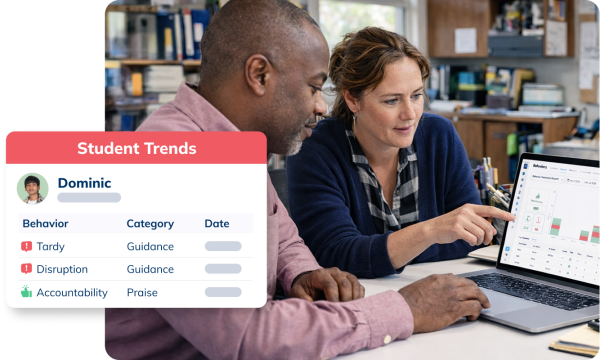
Effective MTSS intervention planning is less about paperwork and more about making the plan specific enough to carry out. It’s even better if you remove the paperwork and replace it with a digital behavior management system that does all the heavy lifting for you.
Many schools follow a straightforward process:
- Describe the concern in plain, observable terms: For example, “reads 42 correct words per minute on grade-level text” instead of “struggles with reading.”
- Pinpoint the likely need: Is this a missing skill (needs teaching) or an inconsistent performance issue (needs routines, motivation, or environment changes)?
- Pick an intervention that matches the need: A good match beats a popular program every time.
- Set a goal with a date: What should improvement look like by the next review?
- Decide the schedule: Minutes per session, sessions per week, group size, and how long the plan will run before reviewing.
- Decide how you’ll track progress: Choose a simple measure and agree on what to do if progress is too slow.
When these pieces are written down clearly, interventions are easier to deliver consistently—and easier to improve when needed.
How to Keep MTSS Interventions Clear and Consistent
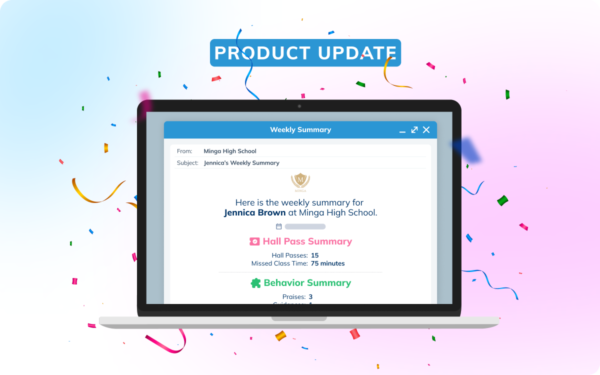
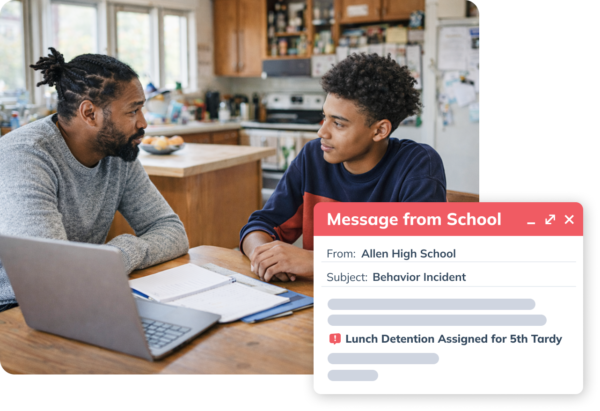
An automated discipline and referral system helps create consistent interventions by addressing common communication gaps. Here are the benefits of moving to a digital system:
- Centralized Documentation: Eliminates scattered notes from emails, paper forms, and verbal chats by keeping all data in one accessible location.
- Prompted Reporting: Guides staff to record specific, necessary details consistently during the referral process.
- Automated Referrals: Ensures referrals are instantly sent to the appropriate personnel for review.
- Automated Follow-Through: Monitors next steps and follow-up actions to prevent students from “slipping through the cracks.”
- Enhanced Student Support: Guarantees that students receive timely and targeted interventions based on accurate data.
A simple “menu” of MTSS interventions also helps schools to be consistent. Schools often do better when they maintain a short, high-quality set of intervention options for common needs (such as early reading, math foundations, organizational skills, or common behavioral challenges). This keeps Tier 2 interventions consistent while still allowing teams to tailor Tier 3 plans when students need more personalized support.
Common Academic MTSS Interventions (Reading, Writing, Math)
Academic interventions work best when they focus on a small set of skills, provide lots of accurate practice, and give students quick feedback. Examples include:
- Early reading interventions: Structured phonics practice, sound-to-letter work, and short daily fluency practice with immediate corrections.
- Reading comprehension interventions: Teaching students a repeatable approach for finding the main idea, using evidence from the text, and checking understanding.
- Math interventions: Step-by-step teaching, worked examples, targeted practice on frequent errors, and built-in review so skills stick.
In Tier 2, these interventions are often delivered in small groups using a consistent routine such as flex periods. In Tier 3, the plan is more customized and may include more time, tighter feedback, and more frequent check-ins.

Common Behavioral MTSS Interventions (and Why They Work)
The effectiveness of these interventions isn’t accidental; they are rooted in applied behavior analysis and social-learning theory. Instead of relying on “stop doing that,” these strategies focus on “start doing this.”
Good behavioral MTSS interventions usually include clear expectations, practice, and consistent adult responses. Here are some common examples of interventions, and why they work at a psychological and structural level:
Tier 1: Everyone is on the same page
- No guesswork: When every classroom has the same basic rules, students don’t have to waste brainpower trying to remember “how to act” for different teachers. This lowers stress and lets them focus entirely on their work.
- The 4-to-1 rule: For every one time you have to correct a student, try to give them four “shout-outs” for doing the right thing. This builds a strong relationship so that when you do have to give a correction, they are actually willing to listen.
- Hack: Use a digital system to set specific behavior expectations for the entire school. This means that students understand exactly what’s expected of them, and teachers have an easy and consistent way to issue consequences and referrals.
Tier 2: Quick wins and peer power
- Fast feedback: A student who struggles to stay on task can’t wait until Friday to find out how they did. Quick check-ins throughout the day provide “mini-wins” that keep them motivated in the moment.
- Watching friends lead: Sometimes kids learn better from each other. Seeing a classmate handle a situation successfully makes the goal feel much more “doable” than just hearing a teacher talk about it.
- Hack: It’s hard to keep students motivated and connected when recognition isn’t consistent or visible. To make this easier, use a digital rewards program to celebrate your student’s wins.
Tier 3: One-on-one support
- Focus on the goal: Instead of just looking at the “bad” behavior, we look at what the student is trying to achieve. Usually, they are either trying to get something (like attention) or get out of something (like a hard math sheet).
- A better way out: We give the student a “shortcut” to get what they need. If a student rips up their paper to avoid a hard task, we teach them to use a break card instead. Since the card is easier and faster than making a scene, the brain eventually chooses the easier, calmer path.
- Hack: Consider running a flex period program that allows students to catch up on lost learning time on a regular basis (weekly, monthly, etc.)
Why does the “full picture” matter? By looking at grades and behavior together, we avoid misjudging a student. Often, a student who looks like they are being “defiant” is actually just frustrated because they are behind in reading or math. When we fix the learning gap, the behavior usually fixes itself.

Checking Progress: Using Data to Make Better Decisions
Collecting data should do more than fill a spreadsheet. The data should answer one question: “Is this intervention helping enough?”
How can you make sure that your approach is working?
- Use a simple measure tied to the goal: For example, short reading checks, weekly skill probes, a daily behavior point card, or attendance monitoring—depending on the intervention.
- Check often enough to adjust quickly: Weekly is common for academics; some behavior goals need daily review.
- Agree on what happens if progress is too slow: For example, after a few data points below the goal line, the team changes the plan (more time, different approach, smaller group, or a clearer target).
This is the heart of response to intervention: try a focused plan, monitor what happens, and adjust based on what the student actually needs.

When an Intervention “Doesn’t Work,” Check the Delivery
Before deciding an MTSS intervention failed, teams should confirm it was delivered as planned. Interventions can look ineffective simply because they didn’t happen regularly, were shortened, or were delivered differently across days.
Practical ways to strengthen delivery include:
- A short checklist: A quick list of the key steps adults should follow.
- Protected time: Intervention time isn’t the first thing canceled for assemblies or make-up work.
- Quick coaching: Short “watch, practice, adjust” cycles so staff feel confident delivering the routine.
MTSS Interventions Work Best When They Are Clear and Consistent
MTSS interventions are not just a set of tiers or a schedule of meetings. They are practical ways to deliver support that is specific, consistent, and responsive to student needs. When schools choose targeted interventions, deliver them regularly, and use progress data to adjust quickly, students benefit, both academically and behaviorally.
Ready to Strengthen Student Engagement Across Your School?
Book a demo today and start building a more connected school community.