The feeling of a school is obvious the moment you walk through the doors. In some buildings, the day is spent purely on the defensive. Teachers are tired, and the energy is focused on addressing what went wrong. But in other schools, there’s a different air. You see it when a student gets a high-five for helping a peer, or when a quiet kid gets a shout-out for finally hitting their goals. Those schools are likely to have a PBIS rewards program in place because they want more of those good moments.
At the end of the day, educators aren’t looking for student rewards software. They’re looking for a way to build a school where kids feel seen, and teachers feel like they’re actually making a difference. (The software isn’t necessary; it just makes it a little bit easier to get there.)
Here is how PBIS incentives help to build schools where kids actually want to be.
What is PBIS Rewards?
At its simplest, PBIS rewards are a way for schools to notice and celebrate the good stuff. Instead of only speaking up when a student breaks a rule, this approach focuses on when they get it right.
In a real school day, this looks like:
- Clear Expectations: Everyone knows what it means to be kind or responsible in the cafeteria, the gym, or the classroom.
- Quick Recognition: Giving a student a “thank you” or a digital point the moment they meet those expectations.
- A Sense of Belonging: Making sure every student feels like they are a valued part of the community, not just a name on a roster.
The goal isn’t just to hand out points. It’s to create a connected and accountable school where students feel like they belong.

Step-by-Step: Setting Up a PBIS Rewards Program Without the Headache
Launching a rewards program shouldn’t feel like a massive initiative that creates more work. It should be a quiet engine that makes it easy to give kids the praise they deserve. If you’re starting from scratch or looking to simplify how you recognize students, here is how to build a student rewards system that sticks:
-
Pick Your Pillars
Choose 3–5 core values (like kindness, responsibility, or resilience). Don’t overcomplicate it; if a student can’t remember them, they won’t follow them.
-
Define the “Wins”
Clearly outline what those values look like in real life. What does “responsibility” look like in the library versus the gym?
-
Make Recognition Instant
A “great job!” loses its power if it happens three days later. Use a system that lets staff acknowledge a student in the moment without stopping the flow of their lesson.
-
Check the Pulse
Every few weeks, look at who is receiving points. This isn’t for a report, it’s to make sure no student is being overlooked.

PBIS Rewards in Action: What it Looks Like in Schools
How does this actually look when the bell rings? Here are a few ways schools across the country are using points, praise, and rewards to build a culture where students want to be:
1. A Simple Way to Say “I See You”
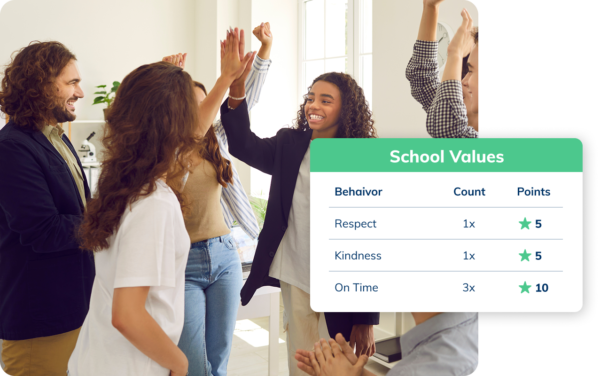
The Recognition: A teacher notices a student who usually struggles to stay on task sitting quietly and working. Without stopping the lesson to make a scene, the teacher sends a quick digital “shout-out” and points. The student feels seen, and the positive momentum continues.
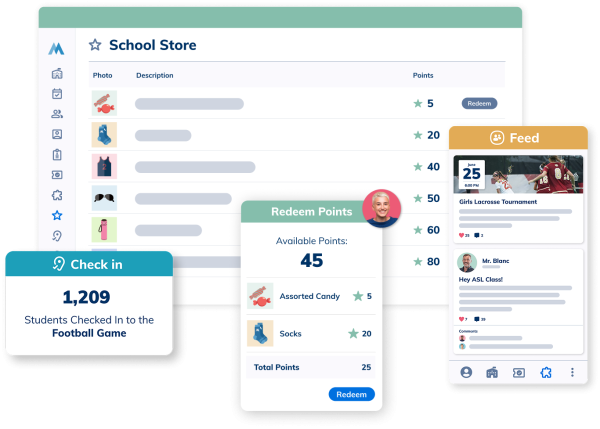
The Reward: Schools then give those points real-world value by letting kids choose how to use them. Students aren’t just earning “points”, they’re earning autonomy. In high schools, for example, kids can use their balance to purchase a ticket to a football game or a yearbook. It turns a simple “great job!” into a tangible way for students to feel connected and rewarded for their contributions to the school.
2. Use Digital PBIS Rewards to Replace Manual Logs
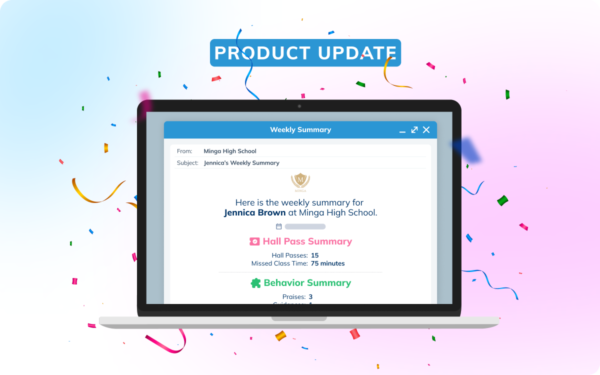
A student rewards system should stay in the background. If a teacher has to stop their lesson to fill out a paper slip or manually update a log just to say “well done,” this disrupts the classroom. Moving to a digital system replaces the clutter of clipboards and spreadsheets with a process that’s easy and efficient.
Example: Instead of fumbling with paper tickets or writing down names to log later, teachers use a few clicks of their computer to recognize a student. With a digital PBIS system, it takes three seconds to acknowledge positive behavior. This allows the teacher to keep their attention on the classroom, while giving the praise a student deserves.
3. Notice the Students Who Drift Under the Radar
The best systems give you clarity on the students who aren’t in trouble, but aren’t necessarily the “star students” either. PBIS rewards help ensure that the kids who just show up and do their work don’t become invisible.
Example: A principal uses their points dashboard to find students who haven’t received recognition in two weeks. This isn’t about monitoring their “bad” behavior; it’s about finding the kids who aren’t being recognized and figuring out why. Staff then make a point of checking in with them personally the next morning, ensuring every child feels seen and knows they belong.
PBIS Reward Ideas That Students Actually Love
One of the hardest parts for busy teachers is coming up with ideas for student rewards that kids actually want. Students don’t need more plastic trinkets; they want to feel recognized and respected. Here are some ideas to get you started:
- For the Individual: Choosing the music in the common area, a shout-out on the school screens, or a “fast pass” to the front of the lunch line.
- For the Classroom: A “preferred seating” day or a few minutes of extra time for a collaborative activity.
- For the School: A celebration that brings everyone together and makes the school feel like a vibrant community.
The best rewards focus on the outcome: making students feel proud of who they are and what they contribute to the school. Here are some more PBIS reward examples to get your creativity flowing.
How Small Moments Build a Better School
Building a school where students actually want to be doesn’t have to be a massive project. It starts by making it easy for teachers to give a simple “good job.” When a PBIS points and rewards system is easy to use, noticing the good stuff happens more often. Recognition stops being a rare event and becomes a daily habit. As more kids get recognized, they start to feel proud and like they truly belong. That’s how you really change the feel of a school: not with more rules, but by making sure every student feels seen and valued.
Ready to Strengthen Student Engagement Across Your School?
Book a demo today and start building a more connected school community.