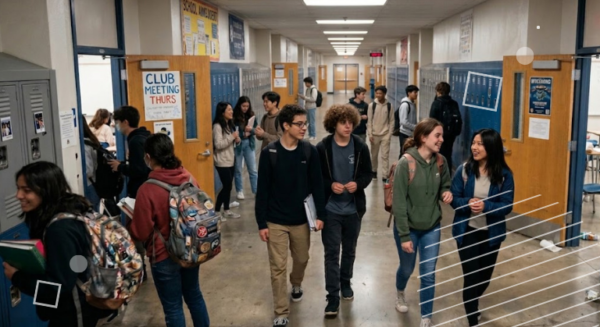
What is a passing period, exactly? This is the short window of time between classes when students move from one classroom to the next. It’s a built-in part of the school day, not a break, and not free time. It’s the structured transition that keeps a bell schedule running.
In this piece, we’ll cover what a passing period is, how long passing periods typically are, why they matter for students, and how schools manage the movement, tardiness, and safety challenges that come with them.
How Long Is a Passing Period?
Most passing periods run between 4 and 10 minutes. The exact length depends on the school’s bell schedule, campus size, and grade level. Most students typically move through four to eight passing periods every day. They grab materials from their lockers, use the restroom, get a drink of water, and make it to their next class before the bell rings. That’s a lot to fit into a few minutes.
Passing Periods in High School
How long is a passing period in high school? Typically 5 to 7 minutes. Some larger campuses, especially multi-story buildings or spread-out campuses, run 7 to 10 minutes to give students enough time to travel between buildings.
Five minutes is the most common standard. But student opinion pieces, teacher forums, and school board discussions consistently question whether five minutes is actually enough. A student moving from a portable classroom on one end of campus to a lab on the other doesn’t have the same experience as a student moving between adjacent rooms.
Passing Periods in Middle School
Middle school passing periods tend to run slightly shorter, often 3 to 5 minutes. Students in middle school are typically moving within a single building, and the shorter transition is built into the tighter schedule structure common at that level.
What Is the Average Passing Period Time?
The national average for passing periods sits around 5 minutes, though there’s no universal standard. Individual districts set their own policies based on campus layout, schedule type (traditional, block, hybrid), and instructional time requirements. Some schools have moved to 7- or 10-minute passing periods after finding that shorter windows were contributing to tardiness and student stress.
Why Passing Periods Matter
- Passing periods aren’t just logistical. They serve real developmental and operational needs that affect how students show up to class.
- Cognitive reset. Students benefit from a brief mental break between subjects. Moving from math to English isn’t just physical. It’s a context switch. A few minutes to transition helps students arrive at their next class ready to engage rather than still mentally in the last one.
- Basic needs. Students need time to use the restroom, get water, and take care of anything that might otherwise become a distraction during instruction. Schools that don’t build in enough passing period time often see more students leaving class mid-period.
- Social connection. Brief, informal interactions between classes: a quick conversation with a friend, a check-in with a teacher, contribute to a sense of belonging. That matters for school culture and student well-being, especially at the secondary level.
- Locker access and materials. Not every student carries every textbook all day. Passing periods are when students grab what they need for the next block.
When passing periods are too short, students skip these needs or rush through them. That often shows up in classrooms as a distraction, requests to leave, or late arrivals.
Short vs. Longer Passing Periods: The Tradeoffs
The question of how long a passing period should be is one of the more debated topics in school scheduling, and the answer isn’t simple.
The case for shorter passing periods centers on instructional time. Every minute in the hallway is a minute not in class. A school with 8 passing periods per day at 10 minutes each loses more than an hour of instructional time daily. Shorter windows also mean fewer minutes for unsupervised student behavior. Most physical altercations in schools happen during unstructured transition times, not during class.
The case for longer passing periods centers on student outcomes. When students can’t reach their locker, get to the restroom, and walk across campus in 4 minutes, they’re either rushing into class stressed or arriving late. Chronic tardiness disrupts instruction, affects attendance records, and disproportionately impacts students with longer travel routes: students in wheelchairs, students in temporary classrooms, students with certain IEPs.
There’s also a supervision reality. Shorter passing periods compress student movement into a tighter window. That creates hallway congestion, with large groups congregating near stairwells or common areas, rather than distributing movement across a longer, more manageable window.
Most schools land somewhere between 5 and 7 minutes and manage the tradeoffs with clear expectations, structured supervision, and tools that help staff see where students are in real time.
Passing Periods, Tardiness & Student Movement
Passing periods are where tardiness happens. A student who leaves class a minute late, stops to talk to a friend, or misjudges the walk to their next room arrives after the bell. Multiply that across hundreds of students and several passing periods a day, and tardiness becomes one of the most consistent administrative challenges in secondary schools.
Reducing Tardiness During Passing Periods
Schools with effective tardy management don’t rely on manual tracking. Logging a tardy by hand, or asking students to fill out a form when they arrive late, creates inconsistency, takes time away from instruction, and rarely produces useful data.
Automated tardy systems let schools capture the moment a late student arrives, log it consistently, and trigger any follow-up steps (parent notification, detention, counselor referral) without the front office manually tracking each incident. That consistency matters both for equity and for identifying patterns: a student who’s chronically late to third period every Monday is telling you something. For a deeper look at practical strategies, see How to Reduce Tardiness in High Schools and How to Level Up Your School Tardy Policy with Progressive Discipline.
Managing Hallway Movement and Safety During Passing Periods
Passing periods create predictable supervision challenges. The same areas: main stairwells, near the cafeteria, outside bathrooms, tend to attract large groups that linger rather than move to class. Staff call this pattern “party groups,” and breaking them up reactively is time-consuming.
Digital hall passes help because they bring visibility to student movement outside of passing periods, during class time, when a student should be somewhere specific. Staff can see in real time how many students are in the hallways, where they were sent from, and how long they’ve been out. Auto-expiry timers create a natural expectation that a pass has a time limit, which reduces extended wandering. For a broader look at keeping hallways calm and safe, see Effective Hallway Behavior Management in K-12 Schools.
How Schools Manage Passing Periods with Digital Tools
Running passing periods well is an operational challenge. Bell schedules, supervision coverage, tardy tracking, and student movement data all need to work together. In most schools, they don’t.
Schools using Minga get a clearer picture of what’s happening in the building during transitions and during class time:
Hallway Management gives staff real-time visibility into which students are out of class and where they’re going. Hall passes include countdown timers and auto-expiry, so there’s a built-in expectation around how long a student should be out. Staff can see movement patterns across the day, including whether certain times, locations, or students show up repeatedly.
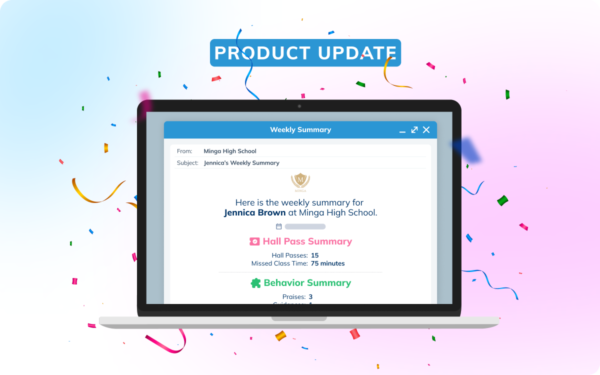
Tardy Management automates what used to be a manual process. When a student arrives late during a passing period, the system logs it, applies the school’s tardy policy consistently, and handles any follow-up steps automatically. That frees up front office staff and creates consistent records.
The goal isn’t to track students for its own sake. It’s to give administrators and teachers the information they need to run a calmer, safer school day, so that passing periods serve students rather than create headaches for staff.
Frequently Asked Questions
- What does “passing period” mean? Passing period meaning: it’s the scheduled time between classes when K-12 students move from one classroom to the next. It’s a standard part of the school bell schedule, distinct from lunch or recess.
- What is a passing period in school? A passing period in school is the structured transition time built into the daily bell schedule. What is a passing period for, exactly? It gives students time to move between classrooms, use the restroom, access their lockers, and briefly decompress between subjects.
- How long is a passing period in high school? Most high school passing periods are 5 to 7 minutes. Schools with larger campuses or multi-building layouts sometimes run 8 to 10 minutes. Five minutes is the most common standard in the US.
- How long is a passing period in middle school? Middle school passing periods are typically 3 to 5 minutes. Because students are generally moving within a single building, shorter windows are standard at this level.
- How long should a break between classes be? Research and practitioner experience generally support passing periods of at least 5 minutes to give students time to use the restroom, grab materials, and arrive to class without rushing. Whether that’s enough depends on campus size and student needs.
- Why are breaks between classes important for students? Short passing periods help students reset cognitively, take care of basic needs (restroom, water, lockers), and maintain social connections. Students who don’t have adequate transition time often arrive to their next class stressed or distracted, or don’t make it before the bell.
- What are the benefits of having longer passing periods? Longer passing periods reduce tardiness, lower student stress during transitions, and give students time to meet basic needs without rushing. The tradeoff is reduced instructional time and a longer window of unsupervised hallway movement, which is why most schools settle in the 5-7 minute range.
- How long is a passing period in college? College passing periods vary widely depending on the institution and schedule. Many colleges have 10 to 15 minutes between classes, and some have longer gaps built in. Unlike K-12, college schedules are not standardized across schools.
- How do schools manage passing periods? Schools manage passing periods through a combination of bell schedules, supervision assignments, tardy policies, and, increasingly, digital tools that provide real-time visibility into student movement and automate tardy tracking.
Ready to Strengthen Student Engagement Across Your School?
Book a demo today and start building a more connected school community.