
STUDENT BEHAVIOR & DISCIPLINE
National: Trends & Insights on Student Behavior 2026-27
The most pressing concerns about student behavior, gathered from school leaders at FETC 2026 in Orlando.
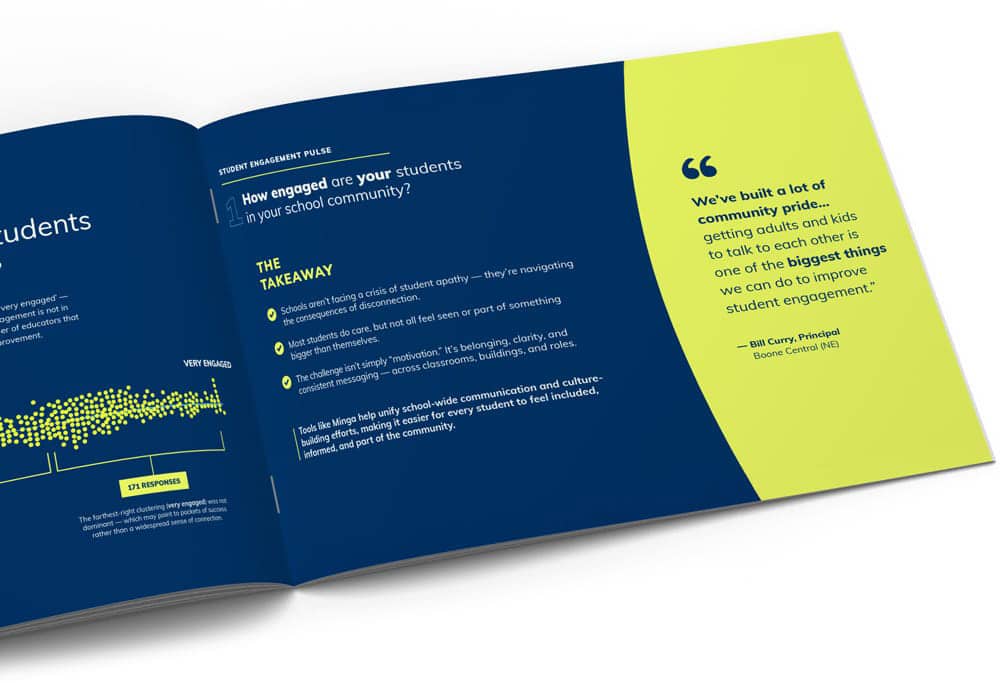
Want to share these insights?
REAL-WORLD PERSPECTIVES ON SCHOOL CULTURE FROM ORLANDO
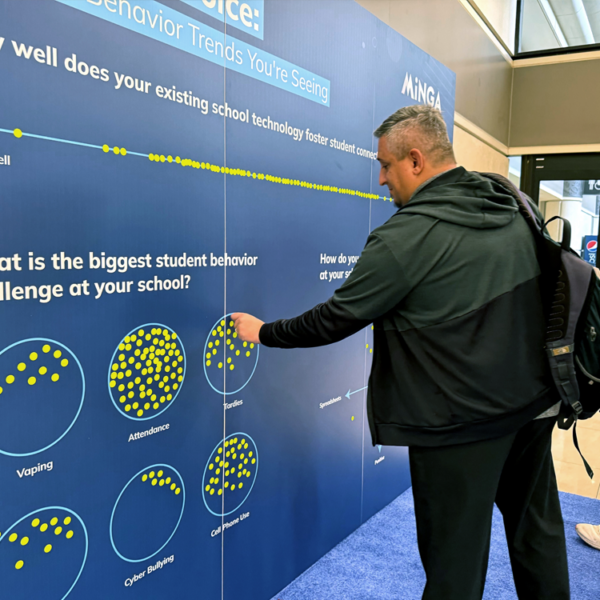
At FETC 2026 in Orlando, Minga revisited the interactive experiment that first captured the attention of school leaders at UNITED 2025 in Seattle. In July 2025, we invited educators to share their unfiltered perspectives using an analog ‘Engagement Wall’. This year, we brought the wall back to see how the landscape has shifted.
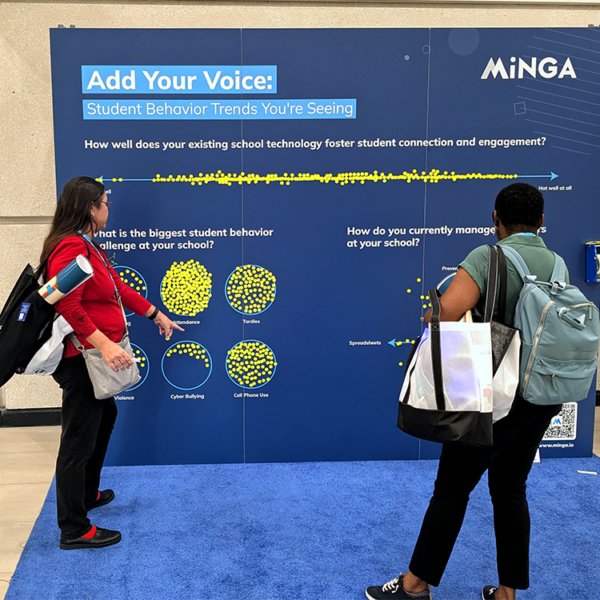
We asked FETC attendees three critical questions:
1 How well does your existing school technology foster student connection and engagement?
2 What is the biggest student behavior challenge at your school?
3 How do you currently manage behaviors at your school?
While not a formal academic study, the volume of responses creates a realistic picture of the current state of education. These visual data points reveal a significant shift in how educators view their daily obstacles and the tools they use to overcome them.
Keep reading to see insights from 2026 and how these compare to 2025.
Executive Summary
At FETC 2026, we spoke with school leaders from across the country about student behavior and engagement. The conversation was candid and four key themes kept coming up:
THE ATTENDANCE SURGE
Concerns about attendance remain a priority, with reported challenges increasing from 213+ in 2025 to over 265+ at FETC 2026.
A DIVIDED TECH LANDSCAPE
The impact of technology on engagement remains polarized. While 23% of leaders see success, over 70% are still searching for more unified, effective solutions.
THE “SLOW EROSION” CONTINUES
Daily friction points—attendance, tardiness, and cell phone use—continue to consume the vast majority of administrative bandwidth.
THE PROACTIVE MOMENTUM
Educators are shifting toward preventative strategies, creating a major opportunity to modernize and move beyond manual processes to boost student impact.
STUDENT ENGAGEMENT PULSE
1 How well does your existing school technology foster student connection and engagement?
This year at FETC, we asked leaders and educators about the digital infrastructure they have in place to support student connection and engagement.
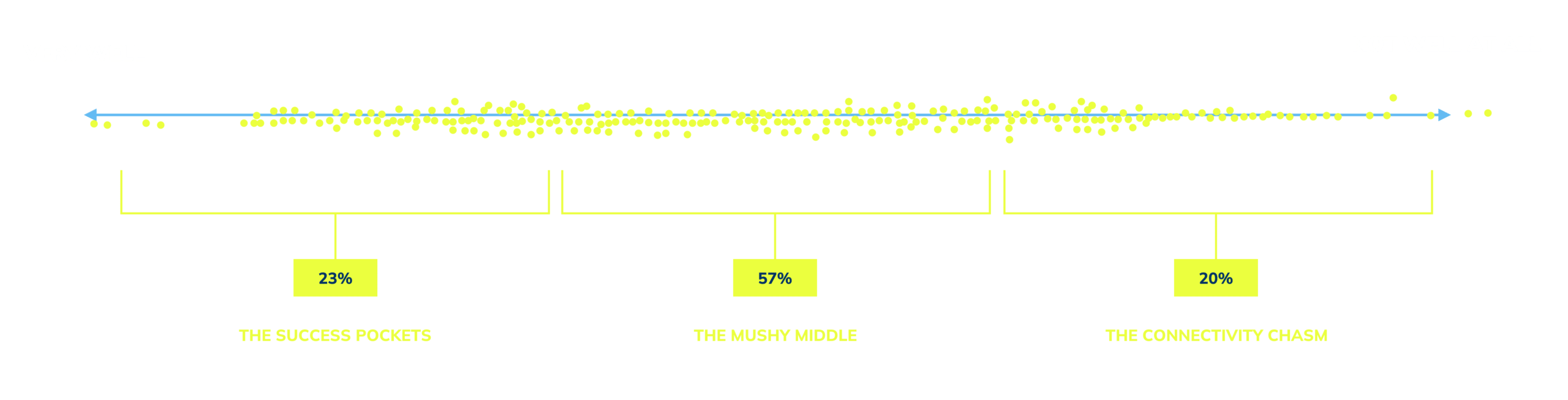
Participants placed their dots along a left-to-right continuum ranging from “Very well” to “Not well at all.”
Responses reveal a rather polarized landscape where some schools have found success with technology as an enabler of connection, but a large portion still aren’t there yet.
THE TAKEAWAY
A count of the 263 responses shows a field divided by current technological effectiveness. For 77% of schools, technology is idle or underperforming in its ability to grow connection and engagement. This underscores the opportunity for unified solutions that move beyond basic administrative functions and into the heart of school culture.
57%
The Mushy Middle: The largest group is in the neutral zone. These educators have tools in place, but their impact on meaningful student connection has yet to materialize.
23%
The Success Pockets: These leaders feel their current technology is a highly effective bridge for student connection.
20%
The Connectivity Chasm: These leaders feel their existing digital infrastructure isn’t yet doing the job it should to foster connection and engagement.
WHERE MINGA FITS
For those 77% of leaders reporting that tech underperforms in building connection, Minga provides the missing link. By centralizing student movement, behavior and engagement, Minga moves technology out of the “mushy middle” and into the heart of student life, ensuring every student feels seen and included.
BEHAVIOR CHALLENGES
2 What is the biggest student behavior challenge at your school?
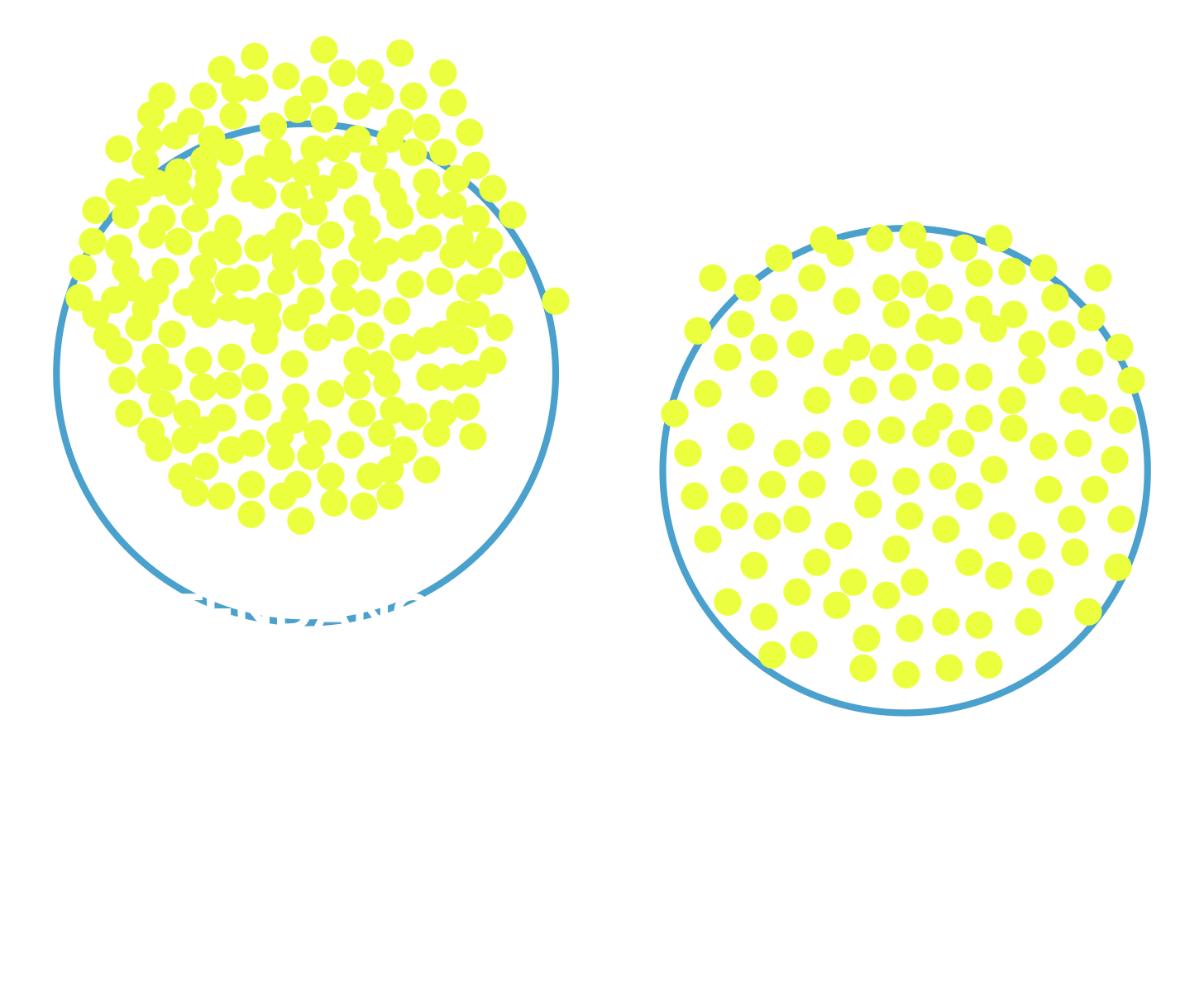
ATTENDANCE | TARDIES
As we saw at UNITED 2025, attendance and tardies continue to be the dominant behavior challenges facing schools today. The sticker responses around these two behaviors suggest they may have moved from a ‘challenge’ to an operational issue for school leaders.
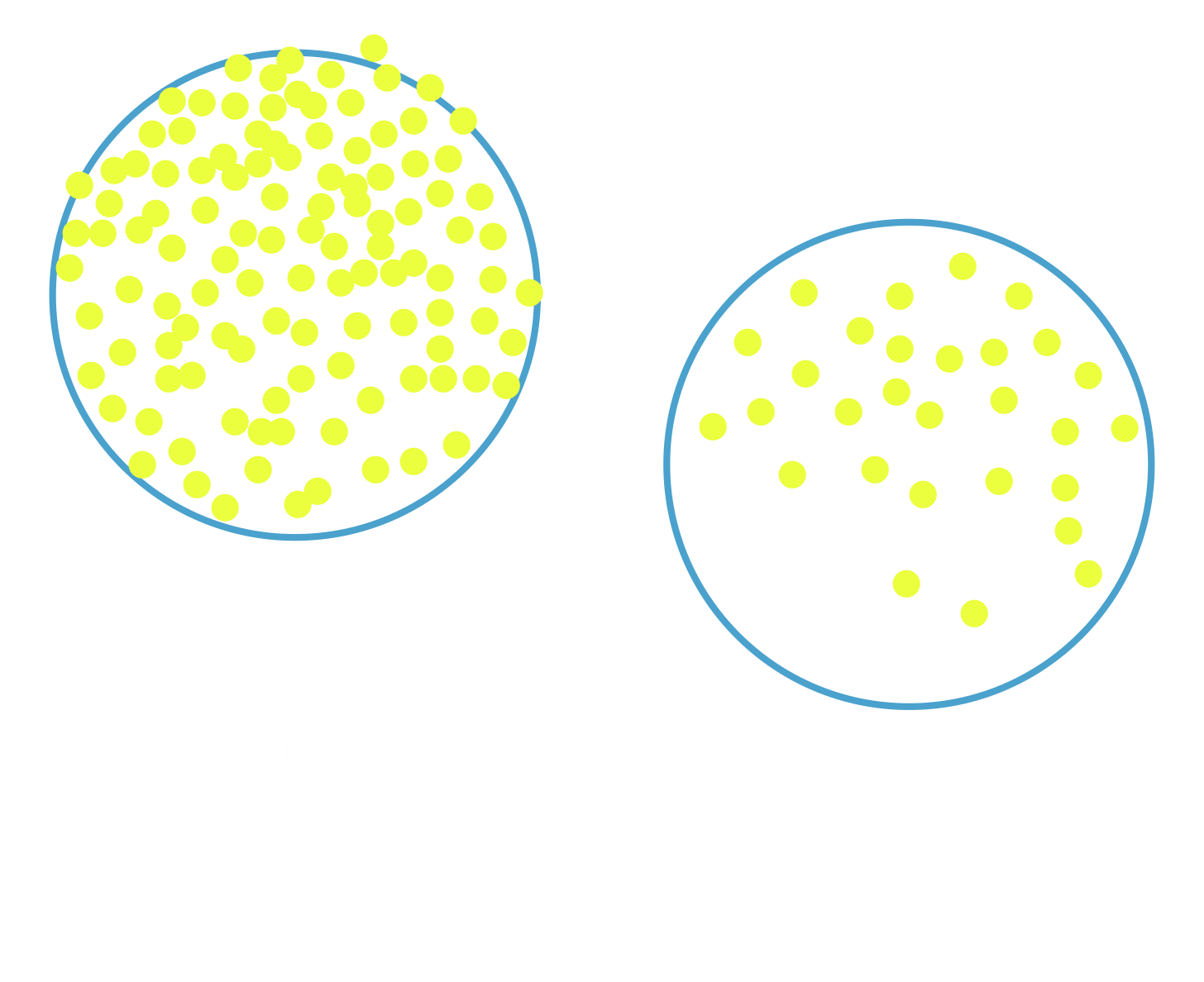
CELL PHONE USE | VAPING
Cell phone use remains a dominant theme as schools grapple with state policies on phone use in class and on campus. Conversely, vaping appears to be far less of a concern for schools today.
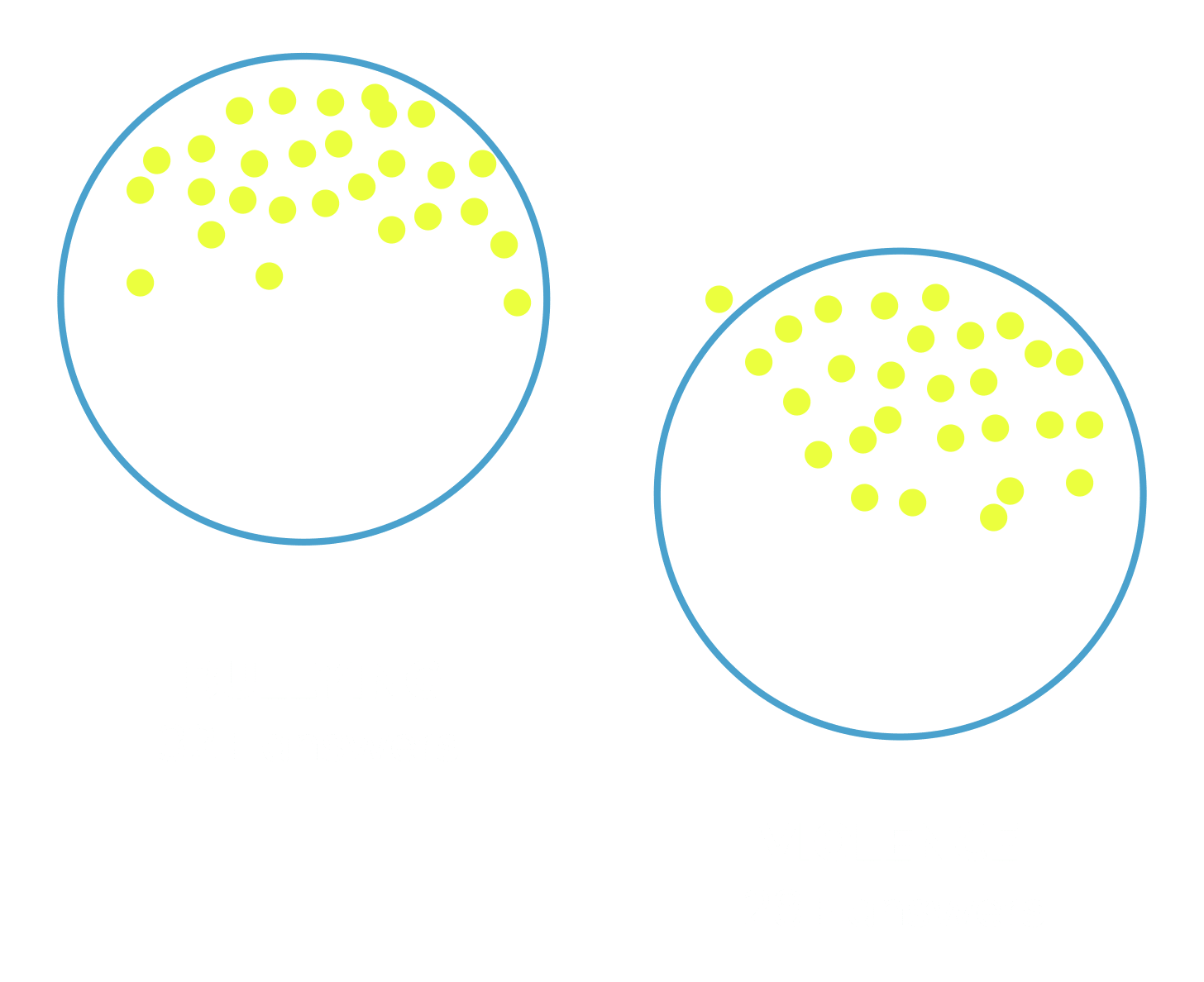
BULLYING | VIOLENCE
Both bullying and violence ranked lowest among attendees at FETC, showing far less dominance as challenges compared to UNITED, which is a positive trend.
THE TAKEAWAY
From Outbursts to Erosion: 2026 data shows that behavior issues are less about dramatic crises and more about culture erosion caused by daily friction points like attendance, tardies and cell phone use.
Attendance Alarm: Attendance challenges continue to be an issue, increasing in total number from 2025, indicating it has become a primary operational challenge for school leaders.
Blurred Expectations: High-frequency disruptions like tardies and cell phone use may be a leading indicator of fraying student engagement, which, left unaddressed, can have larger performance implications down the road.
WHERE MINGA FITS
As attendance moves from a challenge to a crisis, Minga provides automated reinforcement rather than just simple tracking mechanisms.
Our Hallway Management and Tardy Management solutions turn ‘slow erosion’ behaviors into automated workflows, reducing manual labor so staff can focus back on student engagement.
MANAGING STUDENT BEHAVIOR
3 How do you currently manage behaviors at your school?
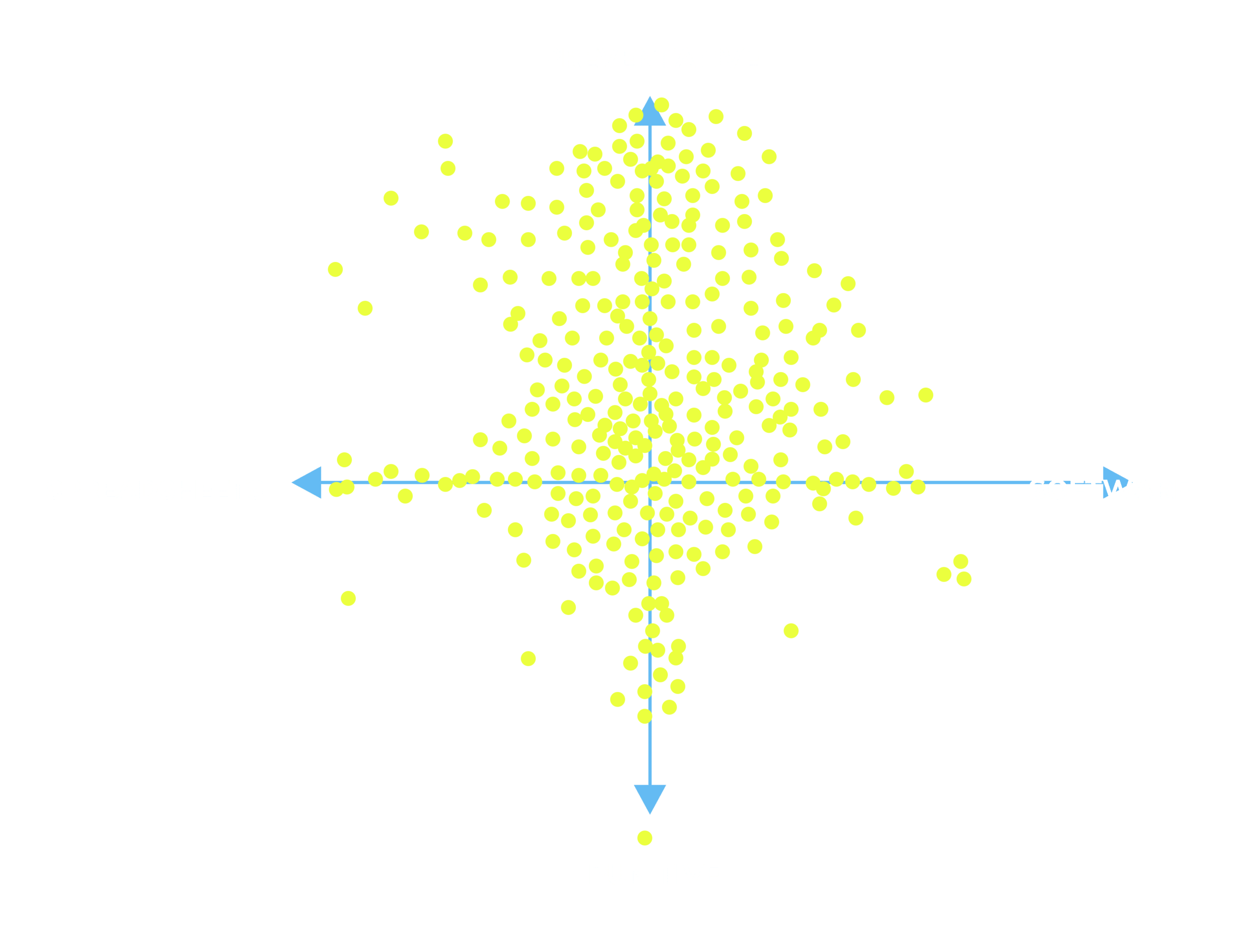
Participants plotted their answers on a 2-axis matrix:
X-axis: From “Spreadsheets” to “Software”
Y-axis: From “Punitive” to “Preventative”
Responses here reveal a clear consistency in vision but fragmentation in execution.
Clusters of dots in the top right indicate a large number of leaders prioritizing software-driven models to support their behavior vision.
But conversely, there’s a clear ‘tail’ of leaders that, while having the vision, don’t yet have the tools to support it.
It’s clear that the heart of school leadership is in the right place: prevention. The primary hurdle isn’t lack of intention or vision, it’s the manual anchor of spreadsheets that prevents their vision from scaling effectively across their entire school community.
THE TAKEAWAY
A Shift to Proactivity: Educators are increasingly prioritizing preventative strategies over reactive ones. While many are still transitioning from manual tracking, this highlights a significant opportunity for modernization.
Aspiration Meets Innovation: The dense cluster in the top-right quadrant confirms that leaders are actively choosing software-supported futures to reduce manual ‘grind’ and maximize student impact.
Visibility is Essential: Manual spreadsheets often obscure the real-time data needed for effective prevention. Unifying these systems allows staff to focus on building community rather than managing data.
WHERE MINGA FITS
Prevention is the heart of leadership, but static spreadsheets act as an anchor that prevents that vision from scaling. Minga provides the software-driven infrastructure to support a proactive model.
By replacing manual tracking with a unified behavior hub, Minga provides real-time visibility, enabling your team to move away from punitive ‘catch-up’ discipline and toward a modern, preventive culture.
KEY THEMES & WHAT IT MEANS
The data from FETC 2026 reveals a school leadership community that is high in vision but often hindered by fragmented execution. As we look toward the future of school culture, three major themes emerge:
THE VISION / EXECUTION GAP
Educators know they need to prioritize preventative and proactive measures to address engagement challenges. The why is clear. The how is what remains. Manual tools and processes are what currently stand in the way.
ADDRESSING ATTENDANCE
Attendance has transitioned from a routine metric to a primary operational issue. With over 265 responses to this as a behavior challenge, it highlights the importance of re-establishing student presence as a necessary first step to any cultural improvements.
MODERNIZING THE MUNDANE
The greatest administrative relief comes from automating the ‘slow erosion’ behaviors: tardies, hall passes and cell phone use. By automating these high-frequency points, leaders can shift their energy from enforcement to mentorship.
THE UNIFIED FUTURE
Minga is the platform designed to turn 2026 vision into a school or district-wide reality. By replacing fragmented spreadsheets and siloed tools with a unified hub for behavior and engagement, Minga lifts the manual anchor.
We provide the real-time visibility and automated workflows that allow your staff to stop managing paper and start managing the moments that matter most.
Ready to Shift from Fragmented to Focused?
Let’s talk about how Minga can help bring clarity, consistency, and connection to your student behavior strategy.
With Minga, things like hall passes, school check-ins, tardy slips, behavior reports, rewards, and attendance are all a breeze. This means less busy work for staff and more time spent on helping students succeed.
