
STUDENT BEHAVIOR & DISCIPLINE
National: Trends & Insights on Student Behavior 2025-26
The most pressing concerns about student behavior, gathered from school leaders at the UNITED Conference 2025 in Seattle.
Want to share these insights?
REAL-WORLD PERSPECTIVES ON SCHOOL CULTURE FROM SEATTLE
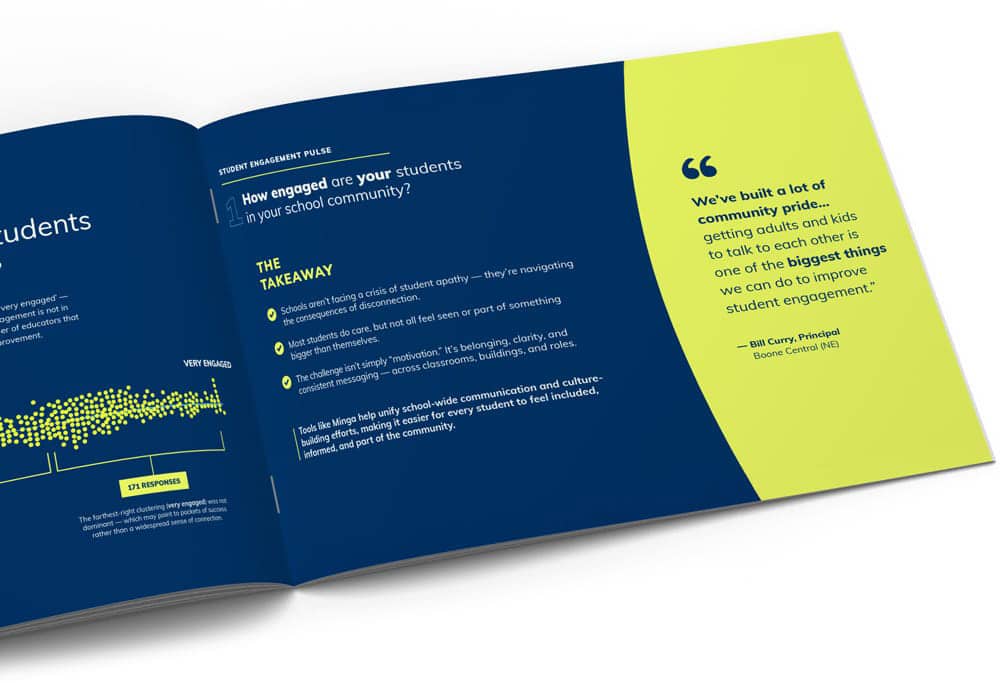
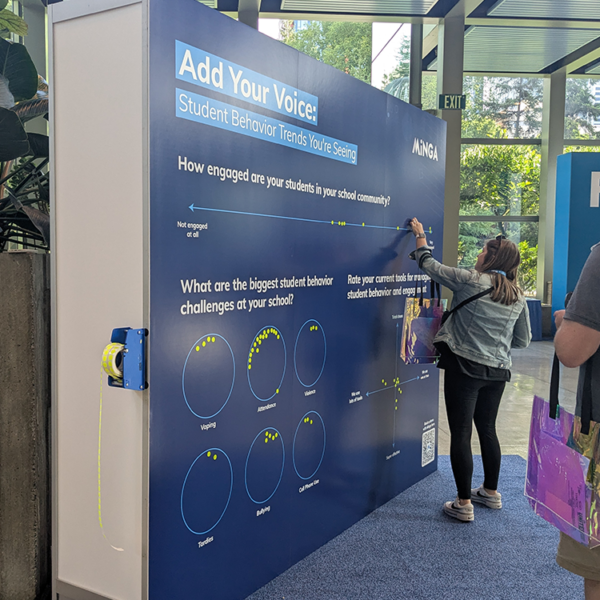
At UNITED 2025 in Seattle, Minga invited school leaders to take part in a live, analog insight wall, using nothing but three stickers and their honest perspective. Hundreds of educators responded, placing stickers on three questions related to student behavior and engagement.
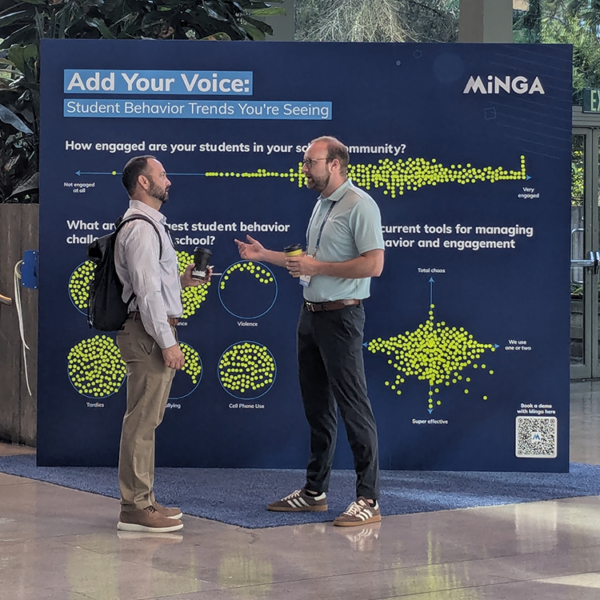
We asked UNITED attendees three critical questions:
1 How engaged are your students in your school community?
2 What are the biggest student behavior challenges at your school?
3 How would you rate your current tools for managing student behavior and engagement?
While not statistically rigorous, the volume and consistency of responses provide directional insight into what matters to educators most right now. This wasn’t a formal survey. It was something more honest: a pulse check from people doing the work.
In a time of noise and pressure, these small stickers spoke volumes. Keep reading to hear what’s rising to the top in school culture this year.
Executive Summary
At UNITED 2025, we spoke with school leaders from across the country about student behavior and engagement. The conversation was candid and four key themes kept coming up:
ATTENDANCE AND TARDIES DOMINATE
Together they drew 213+ and 199+ responses, mentioned nearly twice as often as any other challenge.
ENGAGEMENT ISN’T IN CRISIS
The vast majority of dots clustered right of center. But few educators placed themselves at the far end of ‘very engaged’.
BURIED IN TOOLS
Most schools aren’t short on tools. They’re overwhelmed by them, and very few said their current setup was highly effective.
EROSION, NOT OUTBURSTS
Behavior issues show up through routine daily disruptions rather than dramatic crises.
STUDENT ENGAGEMENT PULSE
1 How engaged are your students in your school community?
At UNITED 2025, we asked school leaders how engaged their students are in their school community.
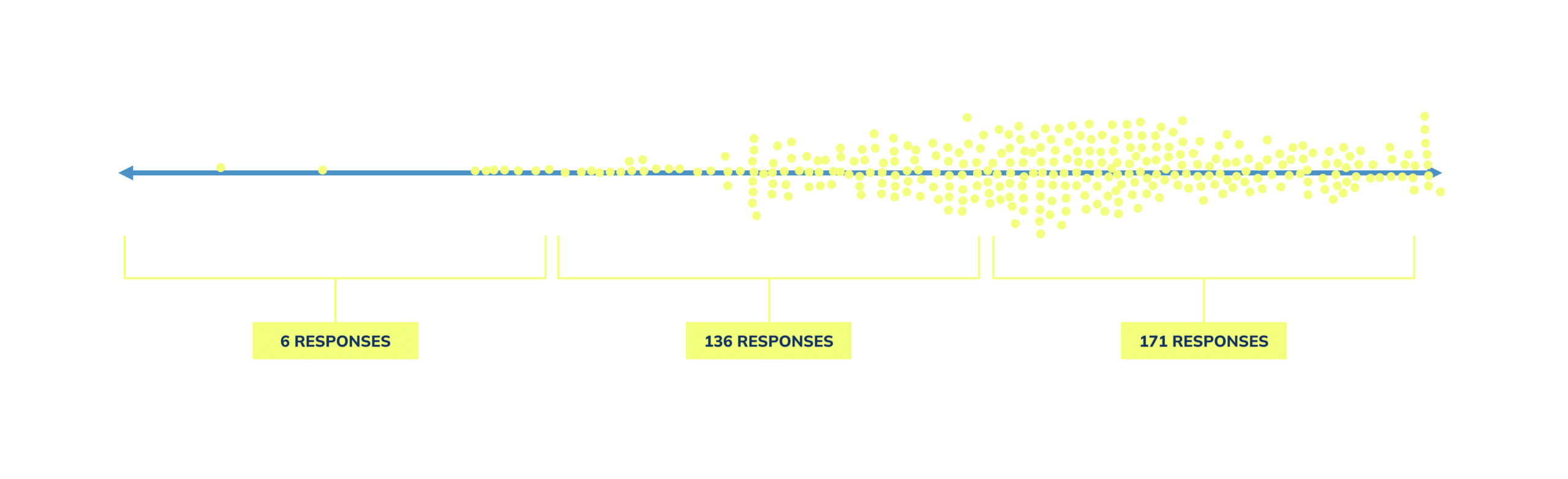
Participants placed their dots along a left-to-right continuum ranging from “Not engaged at all” to “Very engaged.”
While a handful of respondents placed dots along the left half, the vast majority clustered right of center. Student engagement isn’t in crisis, but a large number of educators still feel there’s room for improvement.
THE TAKEAWAY
A count of the 313 responses shows a field clustered to the right of center. Schools aren’t facing a crisis of student apathy, they’re navigating the consequences of disconnection. Most students do care, but not all feel seen or part of something bigger than themselves.
55%
Toward Very Engaged: The largest group sits on the right of the spectrum. But the farthest-right clustering was not dominant, which may point to pockets of success rather than a widespread sense of connection.
43%
The Middle Ground: A large group sits in the neutral zone. Engagement exists in these schools, but not deeply or consistently enough.
2%
Not Engaged At All: Only a handful of respondents placed dots at the far left. It’s not disengagement we’re seeing, it’s disconnection.
WHERE MINGA FITS
The challenge isn’t simply motivation. It’s belonging, clarity, and consistent messaging across classrooms, buildings, and roles. Minga helps unify school-wide communication and culture-building efforts, making it easier for every student to feel included, informed, and part of the community.

“We’ve built a lot of community pride. Getting adults and kids to talk to each other is one of the biggest things we can do to improve student engagement.”
Bill Curry
Principal
Boone Central (NE)
BEHAVIOR CHALLENGES
2 What are the biggest student behavior challenges at your school?
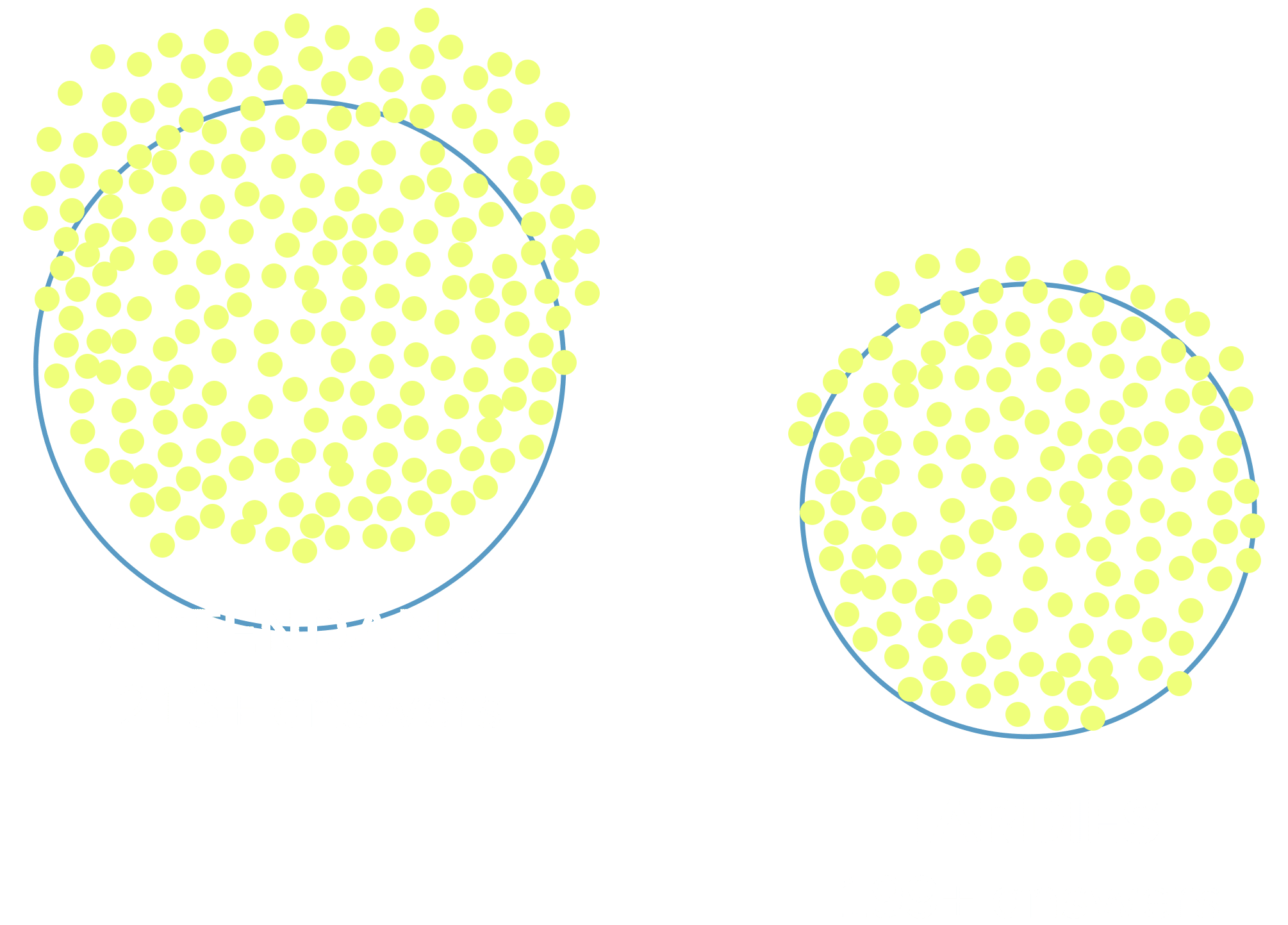
ATTENDANCE | TARDIES
Attendance and tardiness dominate the conversation, mentioned nearly twice as often as any other challenge, highlighting just how critical these issues are.
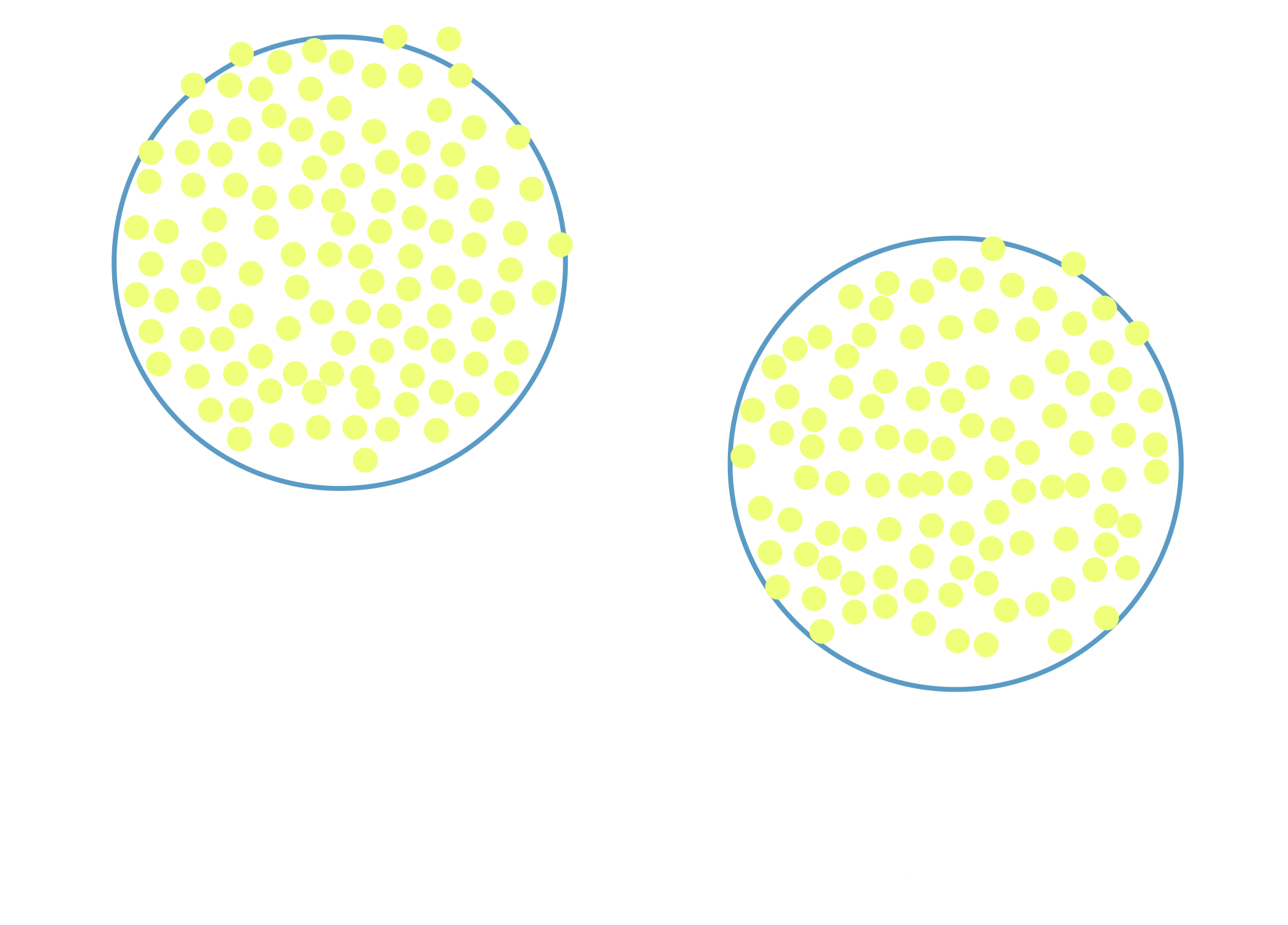
CELL PHONE USE | VAPING
Cell phones and vaping reflect a new layer of behavioral complexity. Less about safety, more about focus, culture, and control.
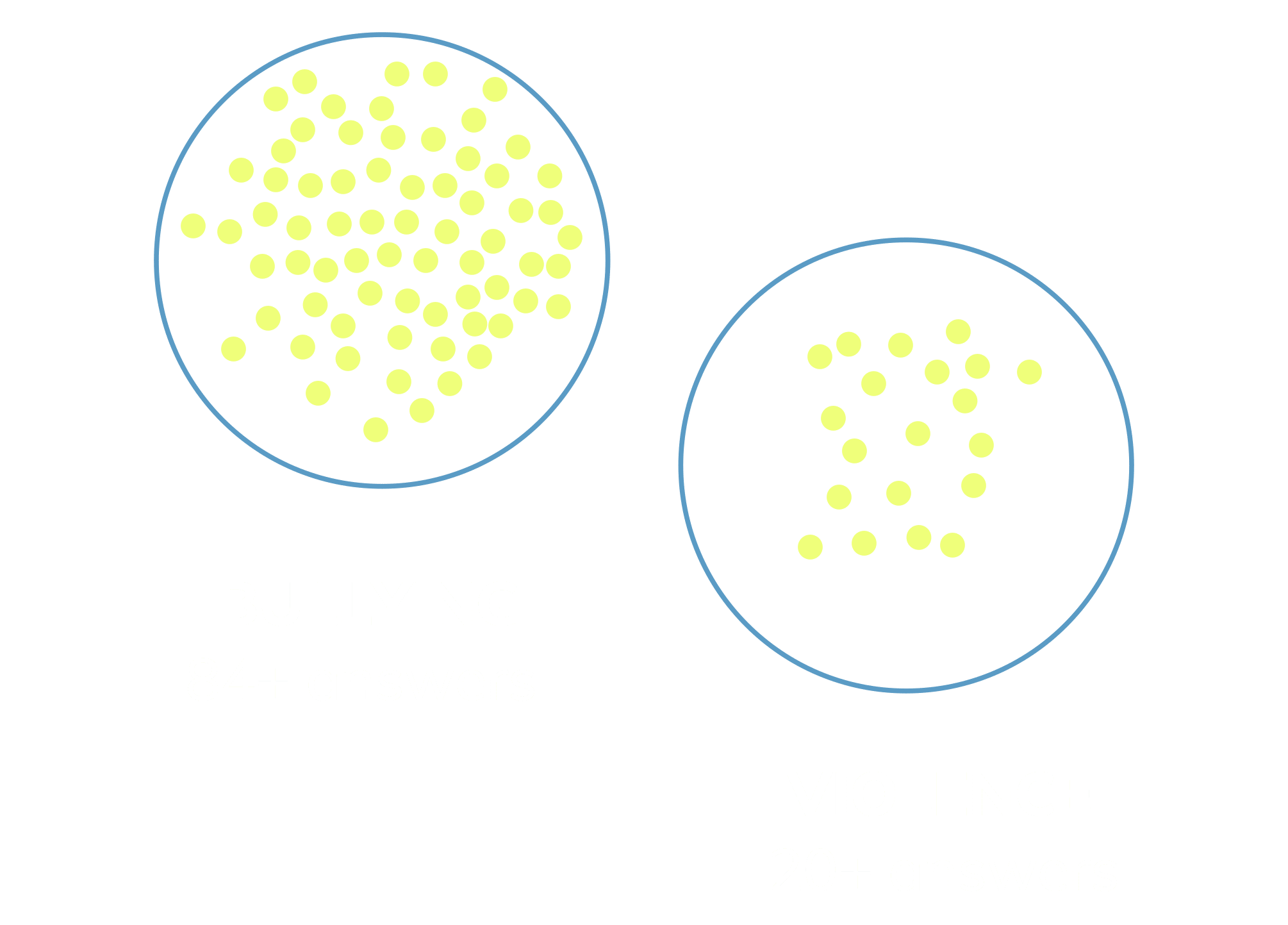
BULLYING | VIOLENCE
Bullying and violence ranked lowest. Not because they aren’t issues, but likely because they’re less ubiquitous and more episodic.
THE TAKEAWAY
Erosion, Not Outbursts: Behavior issues in 2025 aren’t about dramatic outbursts, they’re about erosion. If we’re seeing the fabric of school culture fraying, it’s through routine disruptions, not crises.
Attendance Shifts With Age: In elementary and middle schools, attendance issues are typically parent-driven. In high school they become student-driven, as responsibility shifts to the student.
Blurred Expectations: Educators told us they’re not just managing bad behavior, they’re managing blurred expectations. When norms aren’t reinforced consistently, culture fades quietly.
WHERE MINGA FITS
Minga gives schools a way to reestablish shared expectations and routines. Not through top-down mandates, but through visibility, consistency, and reinforcement at every touchpoint.
“Tardies and attendance. That is what I will be tackling in 2025 and 2026.”
Sanjay Mitchell
Executive Director
Caesar Chavez Public Charter School (WA)
MANAGING STUDENT BEHAVIOR
3 How would you rate your current tools for managing student behavior and engagement?
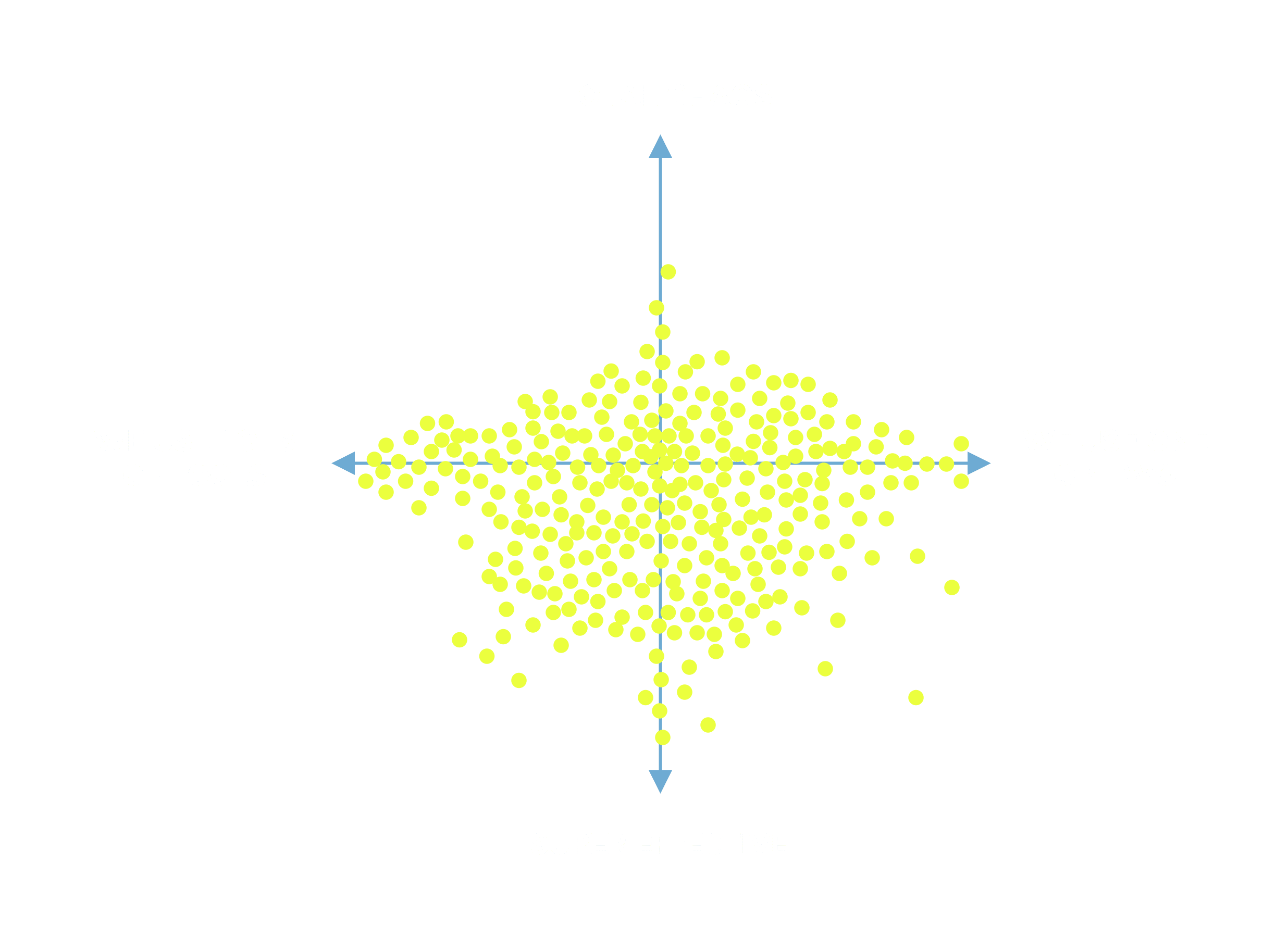
Participants plotted their answers on a 2-axis matrix:
X-axis: From “We use lots of tools” to “We use one or two tools”
Y-axis: From “Super effective” to “Total chaos”
A dense cluster in the center of the graph, just below the midpoint, suggests that many schools are using a number of tools, but with modest success.
Many dots in the lower right quadrant suggest that those schools using few tools see a great deal of success.
None of the attendees reported total chaos, but very few said their tools were highly effective either.
THE TAKEAWAY
Overwhelmed, Not Underequipped: Most schools aren’t short on tools, they’re overwhelmed by them. Staff jump between platforms for announcements, behavior tracking, engagement and more, while students receive mixed signals and nothing sticks.
The Issue Isn’t Quantity, It’s Connection: When systems don’t talk to each other, it leads to fragmented data, duplicated effort, and steep training curves for already stretched teams. That complexity creates friction, not follow-through.
Make the Meaningful Ones Work: It’s not about adding another solution. It’s about making the meaningful ones actually work, seamlessly, school-wide, and every day.
WHERE MINGA FITS
That’s where Minga fits: a unified hub for behavior, engagement, and communication. One place that connects what’s currently scattered, and supports consistent practice across the entire school community.
“Our students are compliant. They come in, sit down, and do the work. But now we want to move from compliance to engagement.”
Jason Smith
Principal
Rogers High School (WA)
KEY THEMES & WHAT IT MEANS
The conversations and insights we took away from UNITED highlighted the care, urgency, and creativity educators are bringing to the work of student behavior and engagement, even when the path isn’t always clear. Every sticker on the wall, every conversation, and every reflection told a story. Together, some common threads emerged:
ENGAGEMENT ISN’T THE ISSUE, CONNECTION IS
Students show up and most of them care. What’s missing is the sense of being seen and part of something bigger. That’s a connection problem, not a motivation one.
SCHOOLS AREN’T LACKING TOOLS, THEY’RE BURIED IN THEM
Staff jump between platforms to do what should be one job. The complexity itself has become the obstacle.
THE BIGGEST CHALLENGES ARE SIGNALS, NOT JUST STATS
Attendance and tardies aren’t only numbers to report. They’re the earliest visible sign that school culture is starting to fray.
THESE INSIGHTS REMIND US
Behavior is complex, but it’s not unsolvable. And the work ahead isn’t about adding more. It’s about simplifying the tools, focusing on outcomes, and showing up where it matters most.
“We see that correlation between tardies and attendance, and we’re working to address it, to make sure that our students are present and also learning, and also finding creative ways to continually stay engaged.”
Dr. Tangie Scales
Principal
Wade Elementary (MD)
Ready to Shift from Fragmented to Focused?
Let’s talk about how Minga can help bring clarity, consistency, and connection to your student behavior strategy.
With Minga, things like hall passes, school check-ins, tardy slips, behavior reports, rewards, and attendance are all a breeze. This means less busy work for staff and more time spent on helping students succeed.
