
STUDENT BEHAVIOR & DISCIPLINE
California: Trends & Insights on Student Behavior 2026-27
The most pressing concerns about student behavior, gathered from school leaders at the 2026 CADA State Convention.
Want to share these insights?
REAL-WORLD PERSPECTIVES ON SCHOOL CULTURE FROM CALIFORNIA
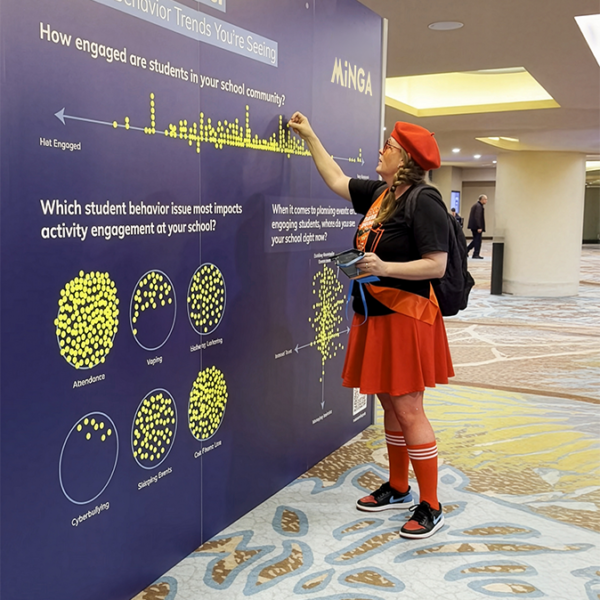
At CADA 2026, Minga once again brought back the interactive experiment that captures the real essence and issues facing school leaders today. Our ‘engagement wall’ – a low-fidelity but high-signal installation – gave us perspective on some of the challenges and real-world perspectives facing educators today.
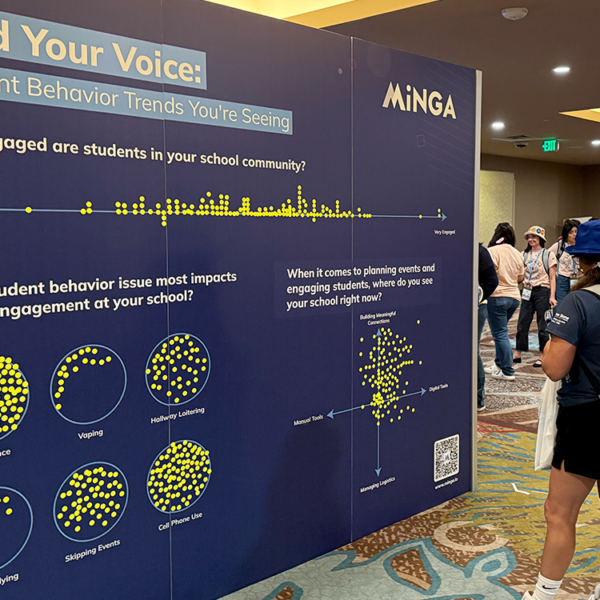
We asked CADA attendees three critical questions:
1 How well does your existing school technology foster student connection and engagement?
2 Which student behavior issue most impacts activity engagement at your school?
3 For planning events and engaging students, where do you see your school right now?
It’s not a formal academic study, we admit. What it is is a real-time, real-life look at the current state of education and engagement today. These visual data points reveal a significant shift in how educators view their daily obstacles and the tools they use to overcome them.
These are the insights from CADA 2026.
Executive Summary
At CADA 2026, we spoke with California activity directors about student behavior and engagement. The conversation was candid and three key themes kept coming up:
THE ATTENDANCE ALARM
Attendance remains a priority, with educators ranking it as the top behavior challenge facing them today.
PROACTIVE SHIFT
Leadership focus has transitioned from reactive crisis management toward solving the “slow erosion” of daily student presence and participation.
TECHNOLOGY SUPPORTS ENGAGEMENT
A large number of schools are actively embracing technology to complement a vision of driving meaningful student connections.
STUDENT ENGAGEMENT PULSE
1 How well does your existing school technology foster student connection and engagement?
At the CADA 2026 conference, we invited activity directors and school leaders to assess the current level of student engagement within their unique school cultures.
Participants placed their dots along a continuum ranging from “Not Engaged” to “Very Engaged.”
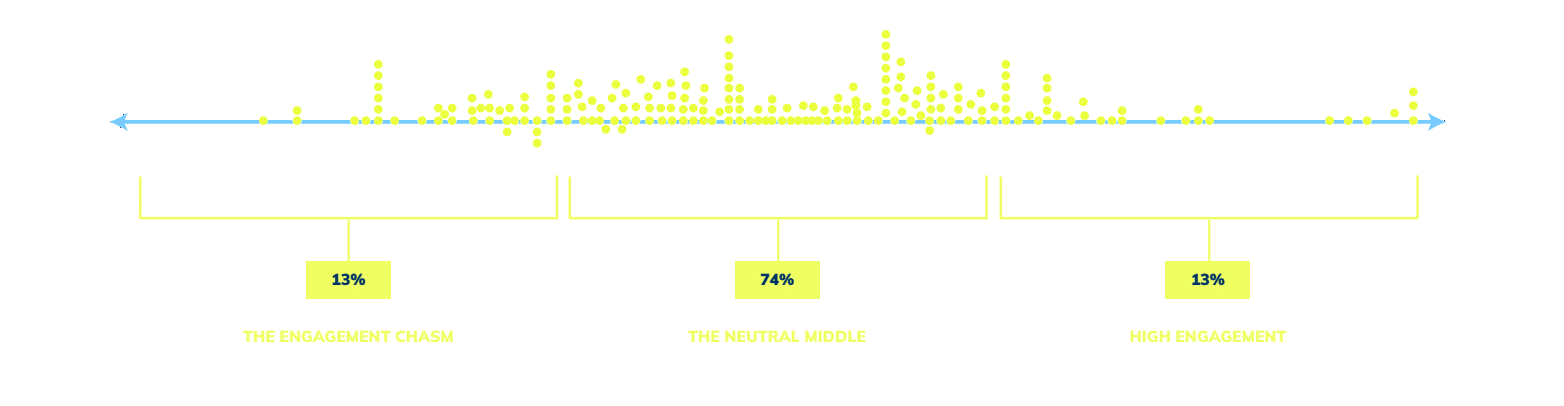
The responses reveal a highly concentrated landscape. While the extreme ends of the spectrum remain sparse, an overwhelming majority of educators feel their students are currently situated in a developing, yet stagnant, middle ground.
THE TAKEAWAY
A count of responses to this question reveals a landscape of schools stuck in ‘no man’s land’ regarding student engagement. And while very few schools report that their students are ‘not engaged,’ it’s clear there is room for improvement in student engagement.
74%
The Neutral Middle: The overwhelming majority of schools indicate they’re in the neutral zone. And while they have established a baseline for student involvement, the transition to real school connection has yet to fully materialize.
13%
High Engagement: This small subset of school leaders feels their current environment is a high-performing bridge for student connection.
13%
The Engagement Chasm: A similar minority feels their existing culture isn’t yet doing the job it should be to foster genuine student connection and involvement.
WHERE MINGA FITS
Minga serves as the central nervous system for school life, moving students out of the “stalled middle” and into meaningful connection. By replacing fragmented tracking with a unified hub, Minga provides the real-time visibility needed to turn a baseline of involvement into a high-performing culture of belonging.
BEHAVIOR CHALLENGES
2 Which student behavior issue most impacts activity engagement at your school?
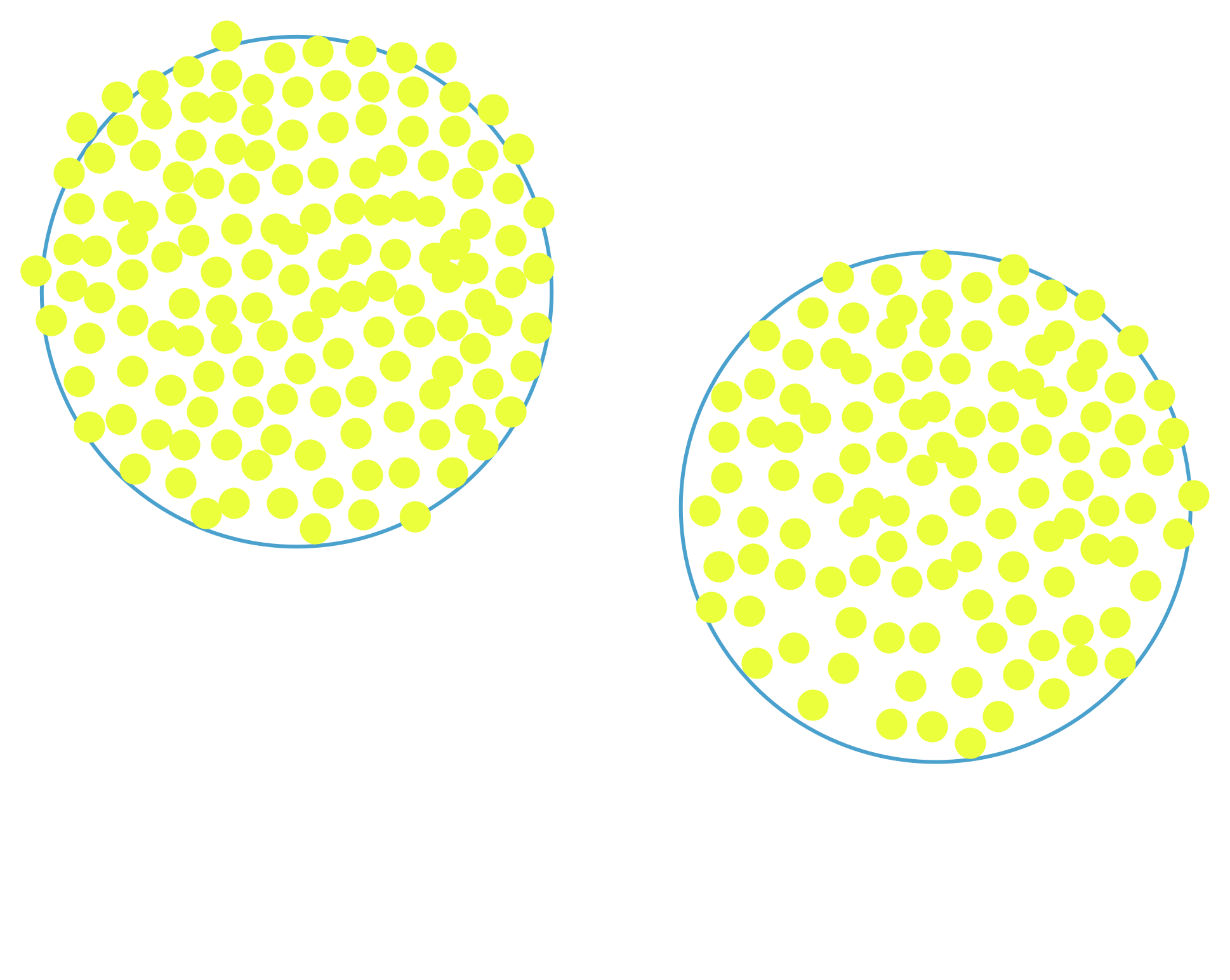
ATTENDANCE | CELL PHONE USE
The dominance of these two behavior challenges indicates a battle of both physical and mental presence in the classroom. Educators are struggling to get students to class, and when they’re in class, struggling to keep them there, mentally.
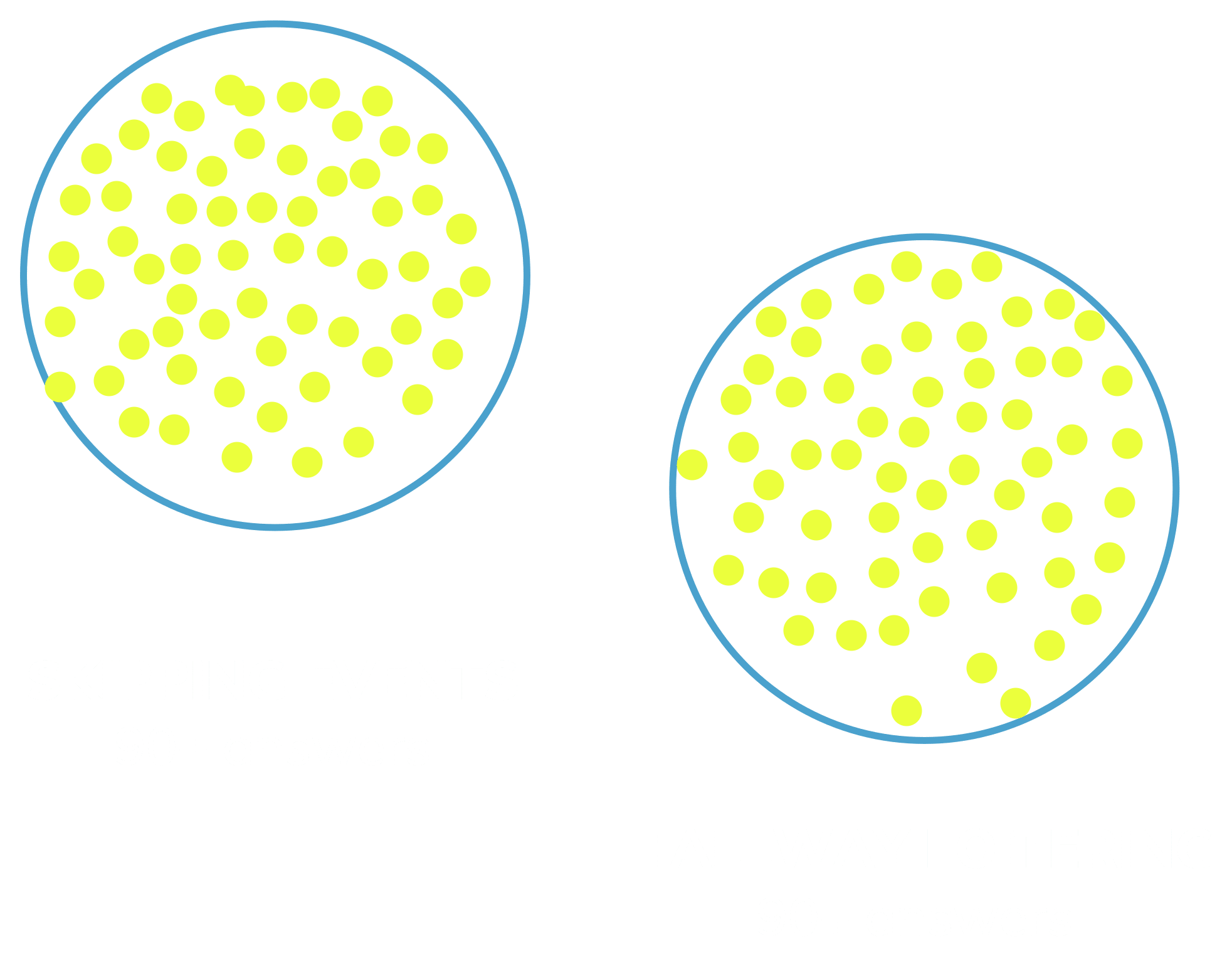
SKIPPING EVENTS | HALLWAY LOITERING
Hallway loitering serves as a visible manifestation of student disengagement and a leading indicator of a culture where students lack belonging or accountability. Ultimately, loitering is the symptom while skipping is the result: a ‘Visibility Void’ where the hallway becomes the destination of choice, directly eroding the success of planned school activities.
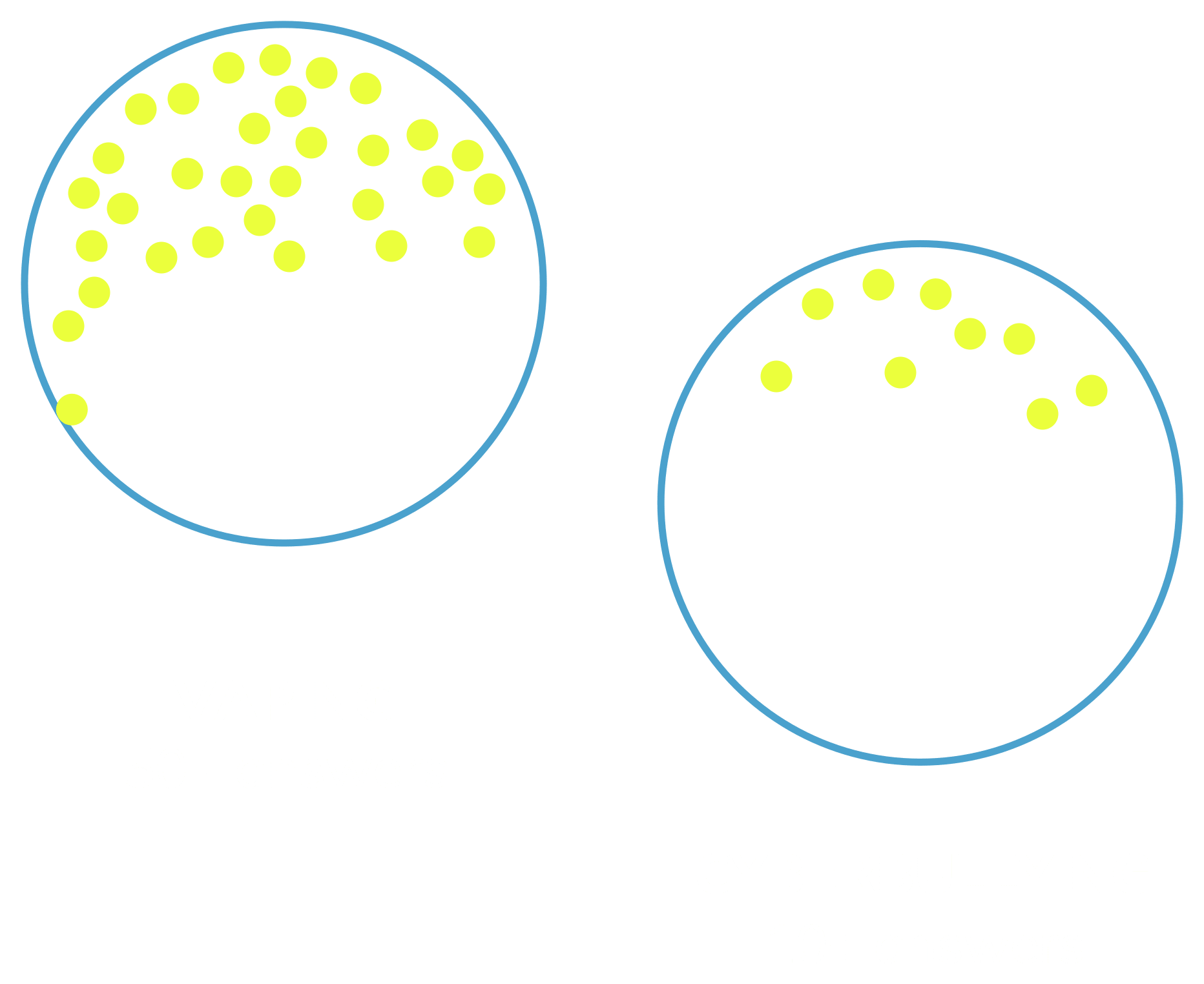
VAPING | CYBERBULLYING
The low volume of responses for these two behaviors marks a positive shift in school leadership priorities, indicating that behavior management has transitioned away from reactive crisis control over isolated “outbursts” toward a deeper concern for student presence and the daily erosion of campus culture.
THE TAKEAWAY
The ‘Double Battle’ for Presence: Getting students into the building is only part of the battle; the other challenge is keeping them mentally present. Attendance gets them through the doors, but cell phones are acting as a digital exit that pulls them mentally out of the room.
The Burden of the Mundane: School leaders are being crushed by high-frequency, low-level friction. Managing loitering, phone distractions and event skipping has become full-time administrative work that – ultimately – consumes energy that should be dedicated to teaching.
The Visibility Void: ‘Outburst’ behaviors like bullying and violence are less pronounced. Today’s primary risk is the “visibility void” where students who don’t feel a sense of belonging or accountability begin to drift into the hallways and away from the community.
WHERE MINGA FITS
Minga provides the infrastructure to win the battle for both physical and mental presence. By unifying hallway movement, attendance, event check-ins, and more into a single hub, Minga eliminates the “Visibility Void” that allows students to drift away from the community.
Instead of staff being crushed by the administrative burden of the mundane, Minga’s automated workflows transform daily friction into real-time insights. This moves technology beyond “efficient utility” and turns it into a bridge for connection, ensuring every student is seen and re-engaged in the heart of school life.
MANAGING STUDENT BEHAVIOR
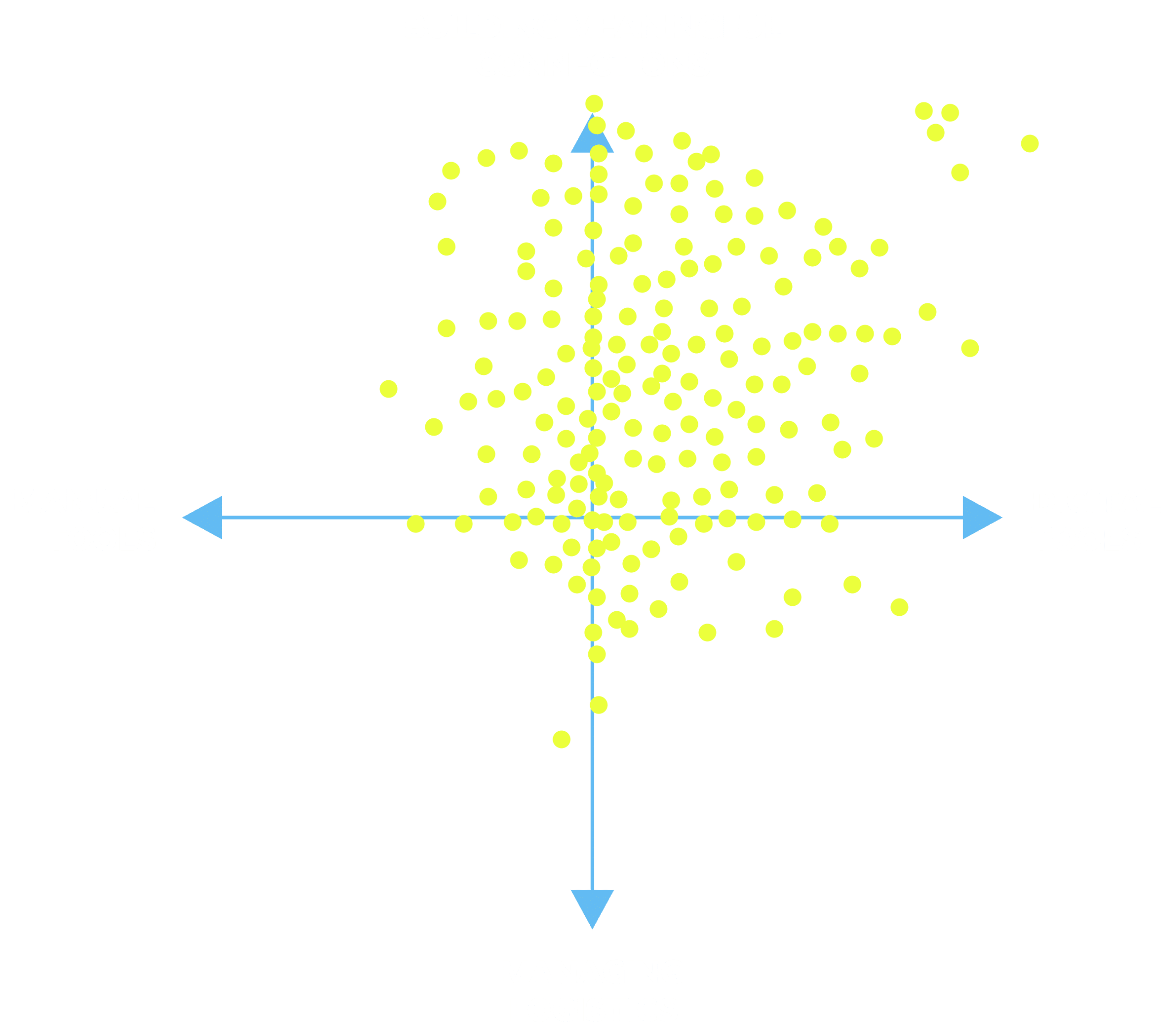
3 For planning events and engaging students, where do you see your school right now?
Participants at CADA plotted their current standing on a 2-axis matrix designed to measure the intersection of institutional vision and operational infrastructure:
X-axis: From “Manual Tools” to “Digital Tools”
Y-axis: From “Managing Logistics” to “Building Meaningful Connections”
The distribution of responses to this question indicates that the vast majority of schools are embracing technology to truly build meaningful student connections. Yet the responses also illustrate many schools are still tethered to outdated manual processes that likely prevent their vision from scaling and reaching maximum impact.
The Modern Ideal (top right): A dense cluster of leaders already utilizing software-supported models to maximize student impact.
The Manual Effort (top left): This cluster indicates educators with a vision for culture and connection, but are weighed down by the ‘heavy lifting’ of manual processes.
The Digital Admin Zone (bottom right): This cluster is enabled by digital tools, but are still stuck in administrative purgatory rather than focusing on meaningful cultural connections.
The Legacy Zone (bottom left): This small group of schools is seeing their administrative bandwidth entirely consumed by manual friction points, preventing them from truly building connections with students.
THE TAKEAWAY
Connectivity is King: It’s clear that educators are prioritizing building meaningful connections with students. The heart of leadership is in the right place – focusing on building community rather than just enforcing rules.
Manual Processes Still Exist: Many leaders acknowledge that manual tools and processes persist, even as they strive to build those connections. Their intentions – while strong – may be weighed down or slowed by the burden of manual tools.
Anchored in Admin Tasks: While many leaders have embraced digital tools, the grind of administrative responsibilities keeps them trapped in ‘efficient utility’. The anchor of admin forces technology to serve as a digital filing cabinet rather than a bridge for deep connection.
WHERE MINGA FITS
Minga provides the infrastructure to turn high-level vision into a daily reality. By replacing “digital filing cabinets” with a unified hub, Minga automates the logistics that currently act as an anchor.
This transition allows staff to spend less time on manual entry and more time on the mentorship and connection that defines a successful school culture.
TYING IT ALL TOGETHER
The data from CADA 2026 reveals a school leadership community that is high in vision but often hindered by fragmented execution. As we look toward the future of school culture, three major themes emerge:
SOLVING THE “DOUBLE BATTLE” FOR PRESENCE
Getting students through the door is only half the fight; the real challenge is reclaiming their mental focus from digital exits like cell phones. Re-establishing physical and mental presence is the necessary first step for any meaningful cultural improvement.
CLOSING THE VISIBILITY VOID
Modern behavior challenges are less about dramatic crises and more about the “slow erosion” of culture. By automating the management of loitering and skipping, schools can eliminate the “void” where students drift away from the community and ensure every student feels seen and included.
LIFTING THE MANUAL ANCHOR
Educators are clearly prioritizing connectivity over rules, but they are often anchored in admin tasks. To reach maximum impact, schools must transition from technology as an “efficient utility” to technology as a bridge for connection.
THE FINAL WORD
Minga is the infrastructure for a more intentional school culture. While vision and heart drive school leadership, the weight of administrative friction often prevents that vision from reaching every student. By automating the burden of the mundane, we empower your staff to step out of the logistics grind and back into the mentorship roles that truly define the student experience. At Minga, we don’t just account for where a student is. We provide the visibility to ensure they truly belong.
Ready to Shift from Fragmented to Focused?
Let’s talk about how Minga can help bring clarity, consistency, and connection to your student behavior strategy.
With Minga, things like hall passes, school check-ins, tardy slips, behavior reports, rewards, and attendance are all a breeze. This means less busy work for staff and more time spent on helping students succeed.
